10 Modern Greenhouse Glass House Designs
A modern greenhouse glass house blurs the line between architecture, agriculture, and living space. It is a home where plants and people coexist under a canopy of glass. These structures are designed for growing food, cultivating ornamental plants, or simply living in a sun-drenched, nature-filled environment. From a small backyard greenhouse with a seating area and an A-frame glass house with living walls to a commercial-scale glass house with hydroponic towers and a geodesic dome greenhouse with a fish pond, here are ten modern greenhouse glass house designs.
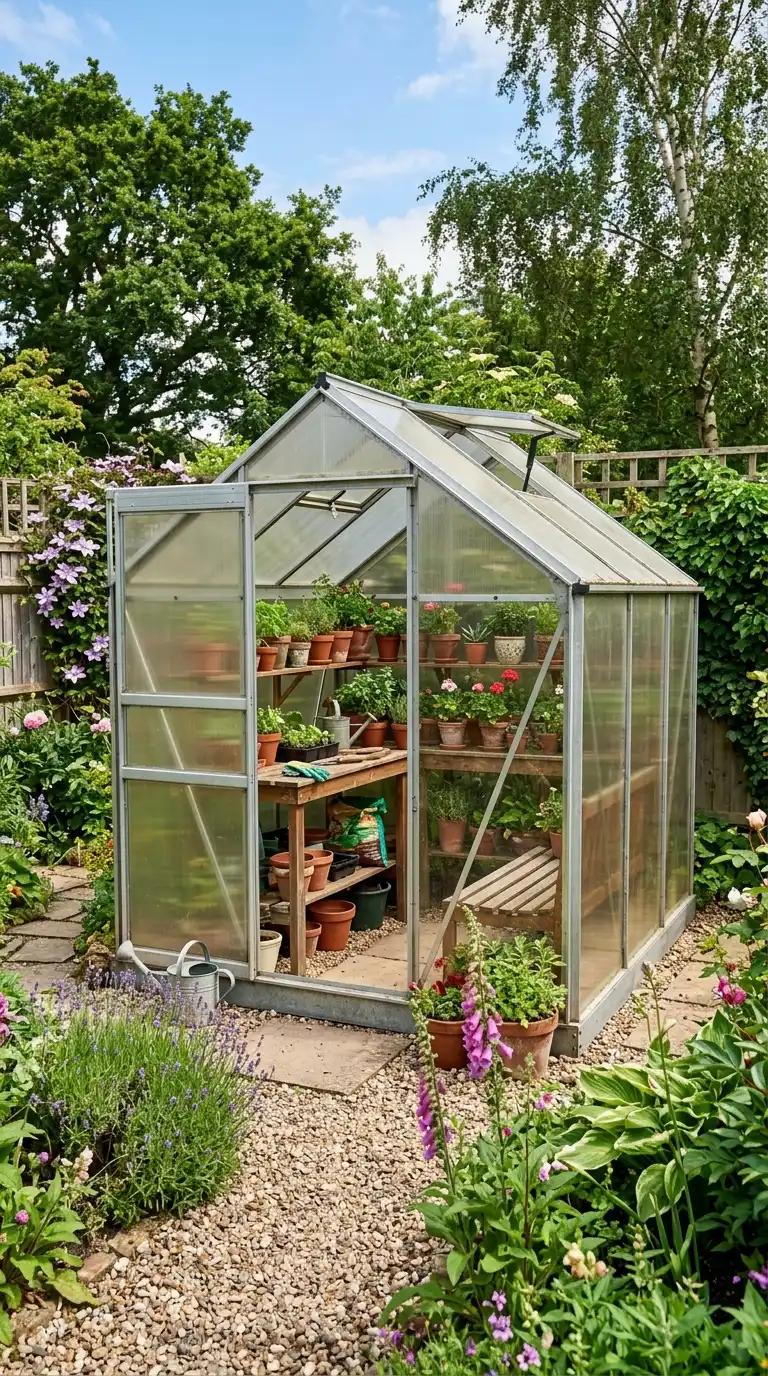
1. Small Backyard Greenhouse with Seating Area
A small backyard greenhouse is perfect for home gardeners who want a dedicated space for seedlings, tropical plants, or year-round growing. Use a galvanized steel frame with polycarbonate or glass panels. Add a small bench or a pair of chairs for a quiet retreat. Include a potting bench and shelves for plants. The small scale makes it manageable and affordable.
2. A-Frame Glass House with Living Walls
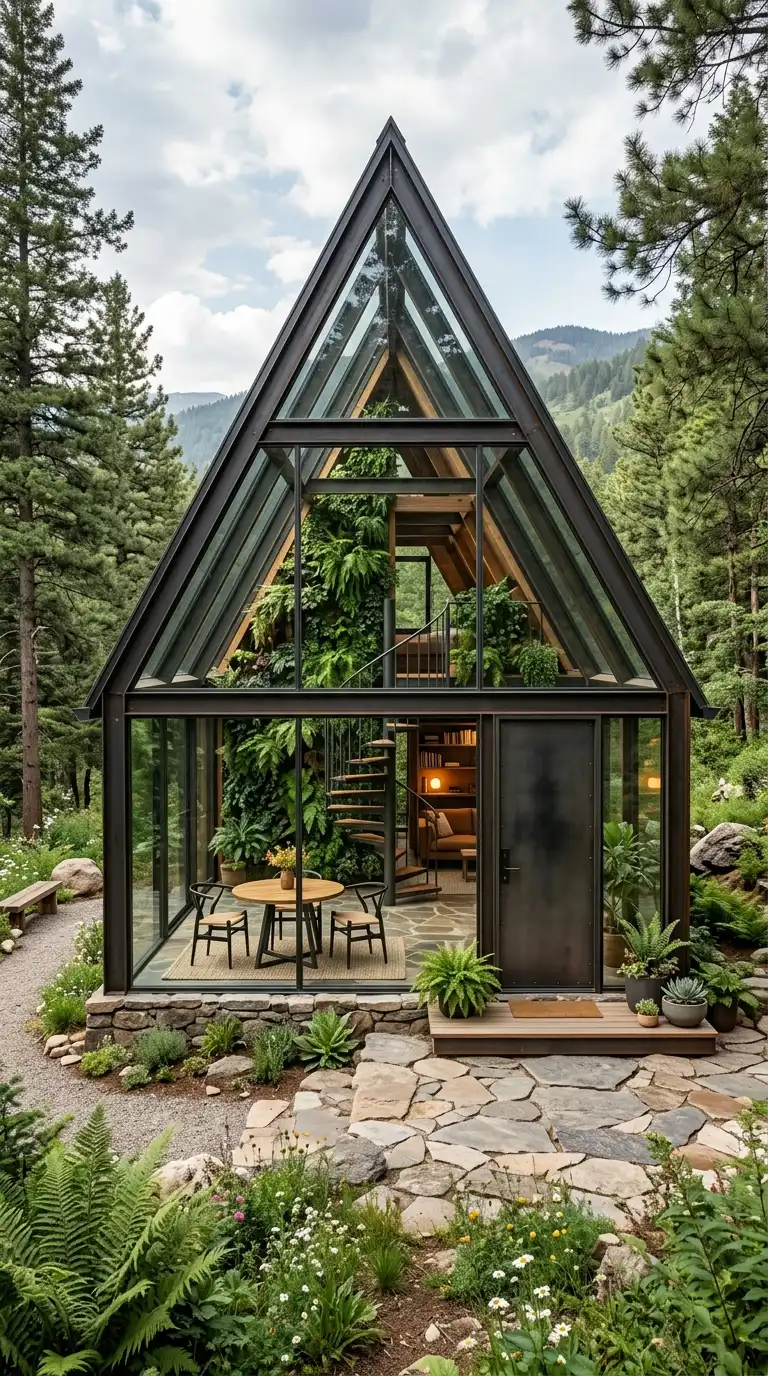
An A-frame greenhouse is dramatic and efficient. The steeply pitched roof sheds snow and maximizes light. Use glass panels on both sloping sides. Inside, install living walls—vertical gardens of ferns, ivy, and succulents. The living walls add texture, improve air quality, and create a lush, immersive environment. Use a wood or steel frame.
3. Commercial-Scale Glass House with Hydroponic Towers
A commercial-scale glass house is designed for serious food production. Use a high, arched or gabled roof with double-pane glass for insulation. Inside, install vertical hydroponic towers for growing lettuce, herbs, and strawberries. Automated irrigation and climate control systems keep conditions optimal. This design is for market gardeners or restaurateurs.
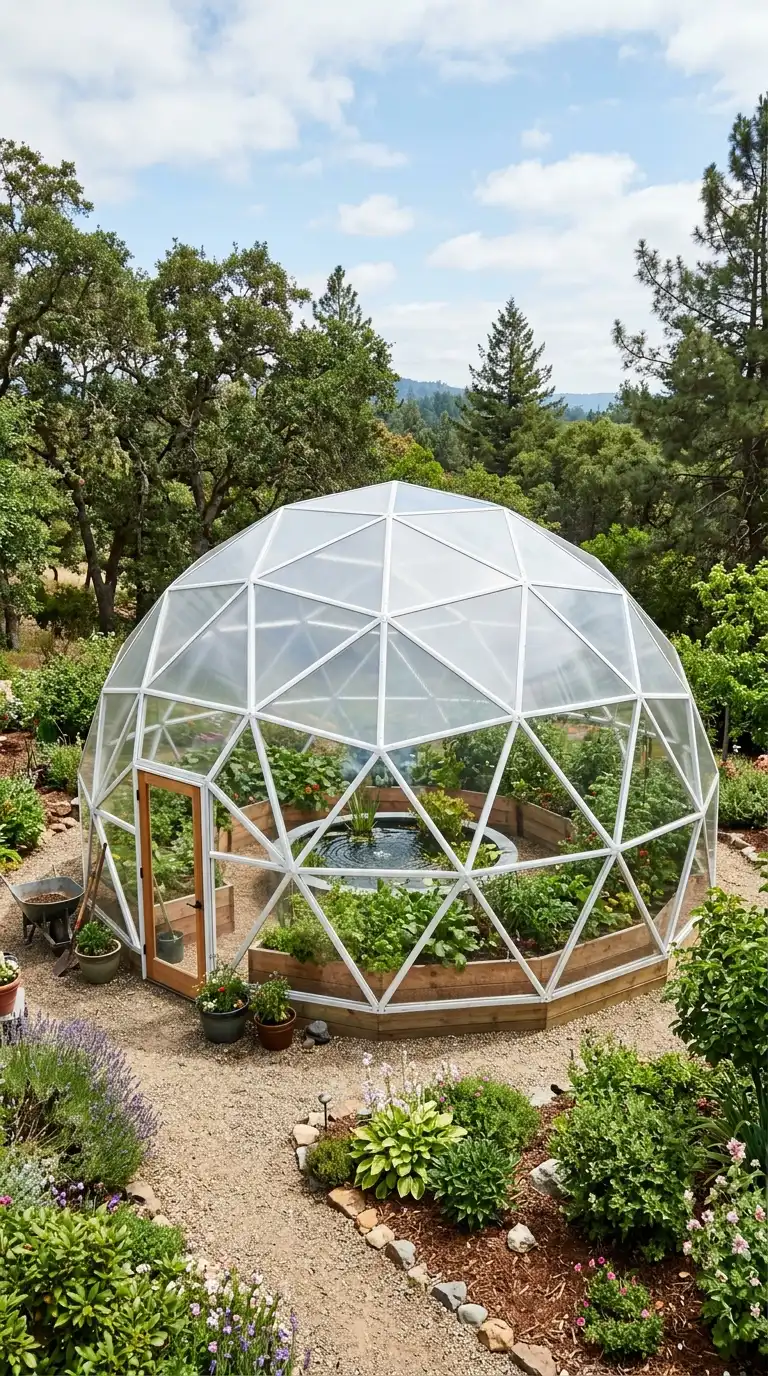
4. Geodesic Dome Greenhouse with Fish Pond
A geodesic dome greenhouse is strong, energy-efficient, and visually striking. The dome shape distributes stress evenly, making it resistant to wind and snow. Use polycarbonate panels on a metal frame. Inside, create a central fish pond for aquaponics. Fish waste fertilizes plants, and plants clean the water. This is a self-sustaining ecosystem.
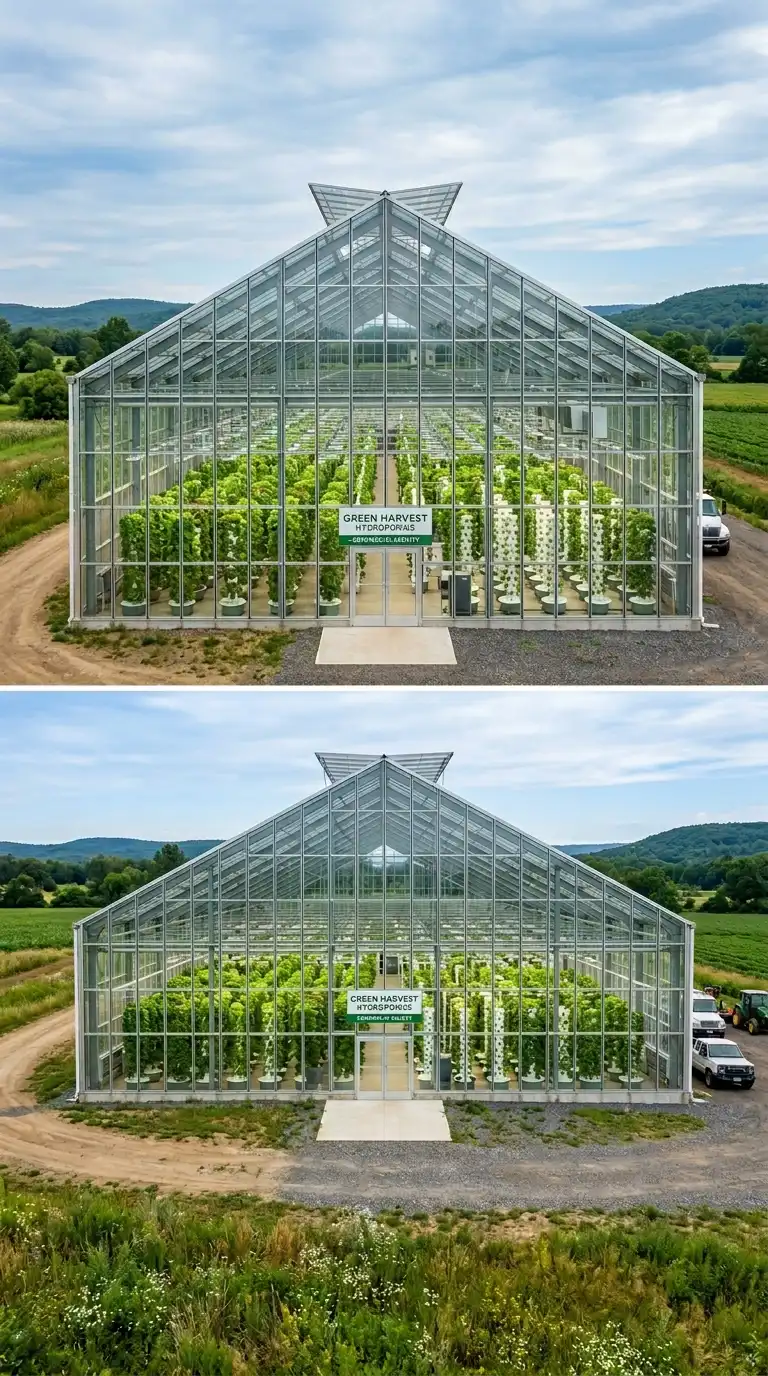
5. Lean-To Greenhouse Attached to House
A lean-to greenhouse attaches to an existing house wall. It shares the wall’s thermal mass, reducing heating costs. Use a slanted glass roof and glass front. The interior can be used for seedlings, tropical plants, or as a sunroom. The connection to the house makes it easily accessible.
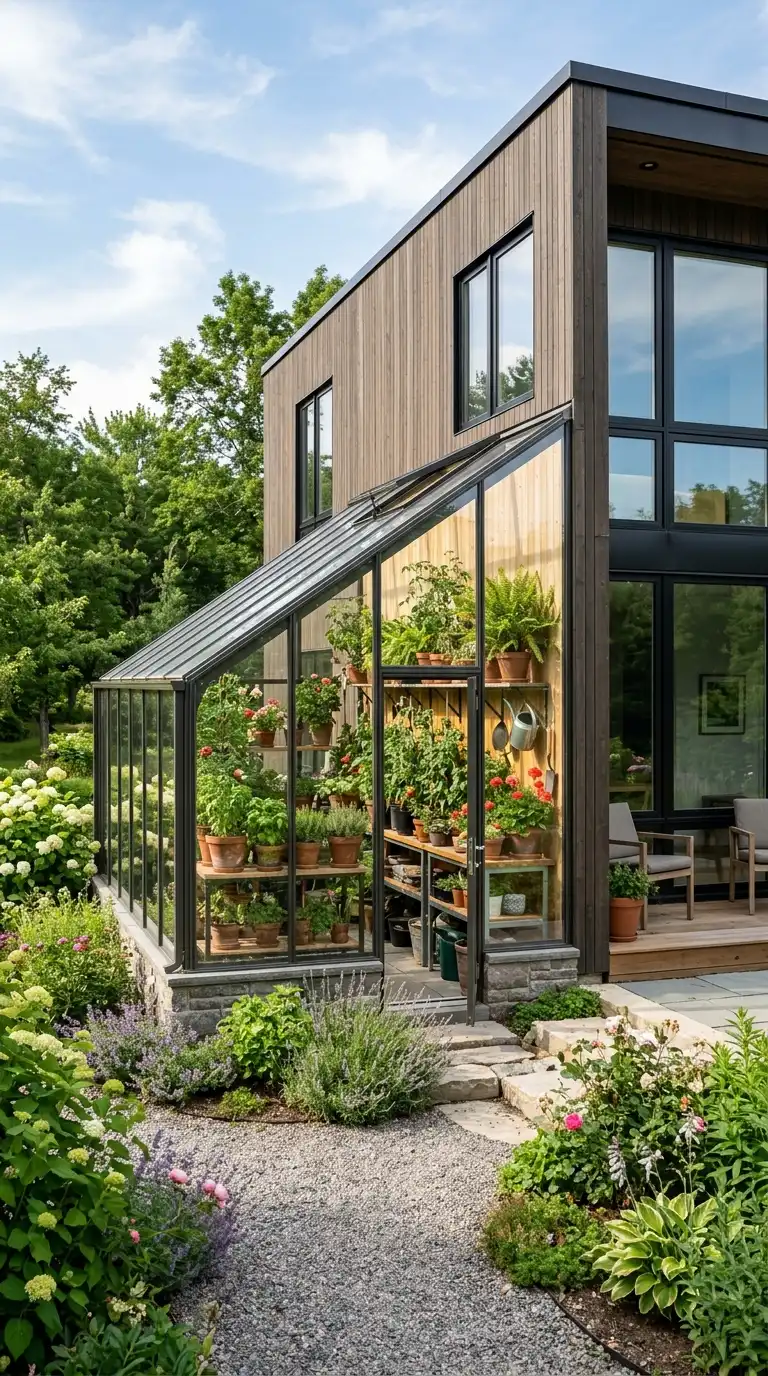
6. Glass House with Retractable Roof
A glass house with a retractable roof can be opened to the sky on warm days. Use motorized glass panels that slide or fold open. The roof is made of double-pane glass for insulation when closed. Inside, create a dining area with a table and chairs. The retractable roof allows for al fresco dining in any weather.
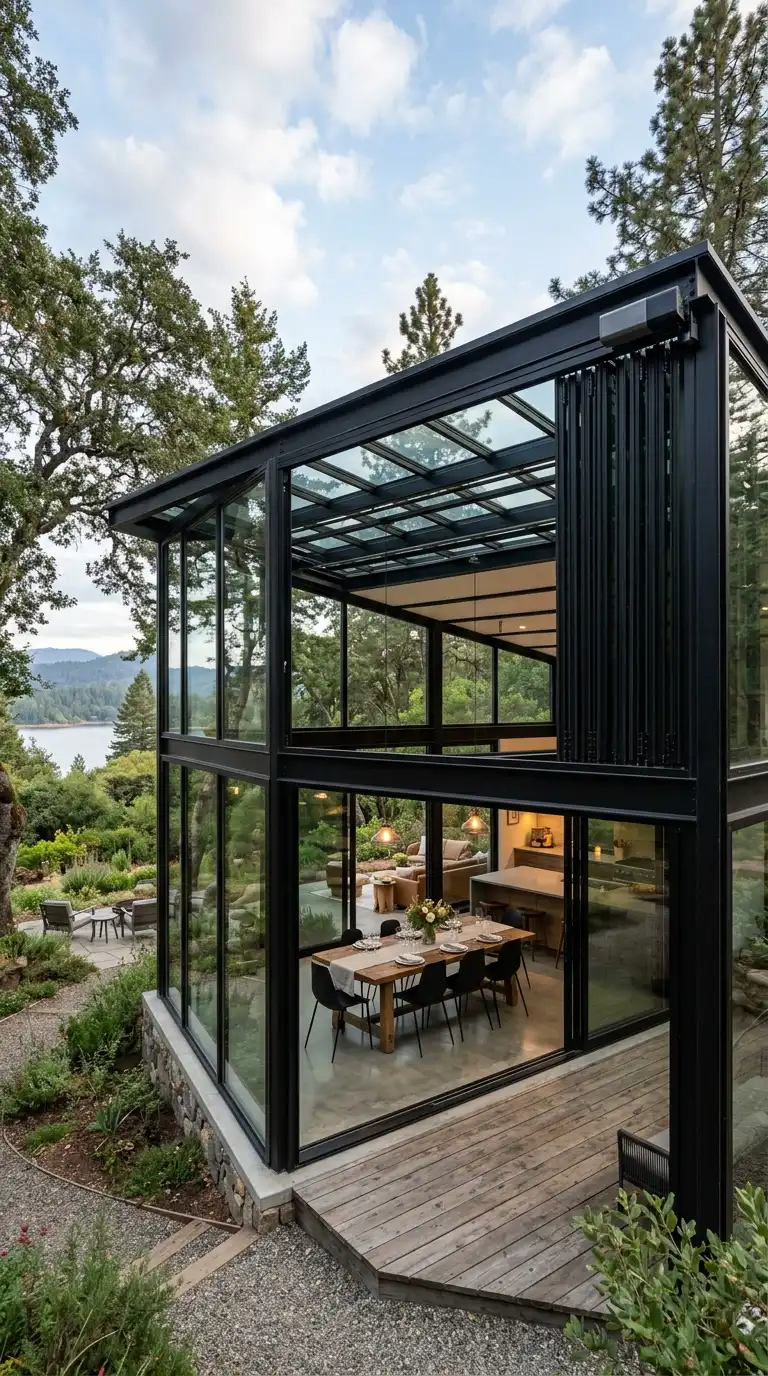
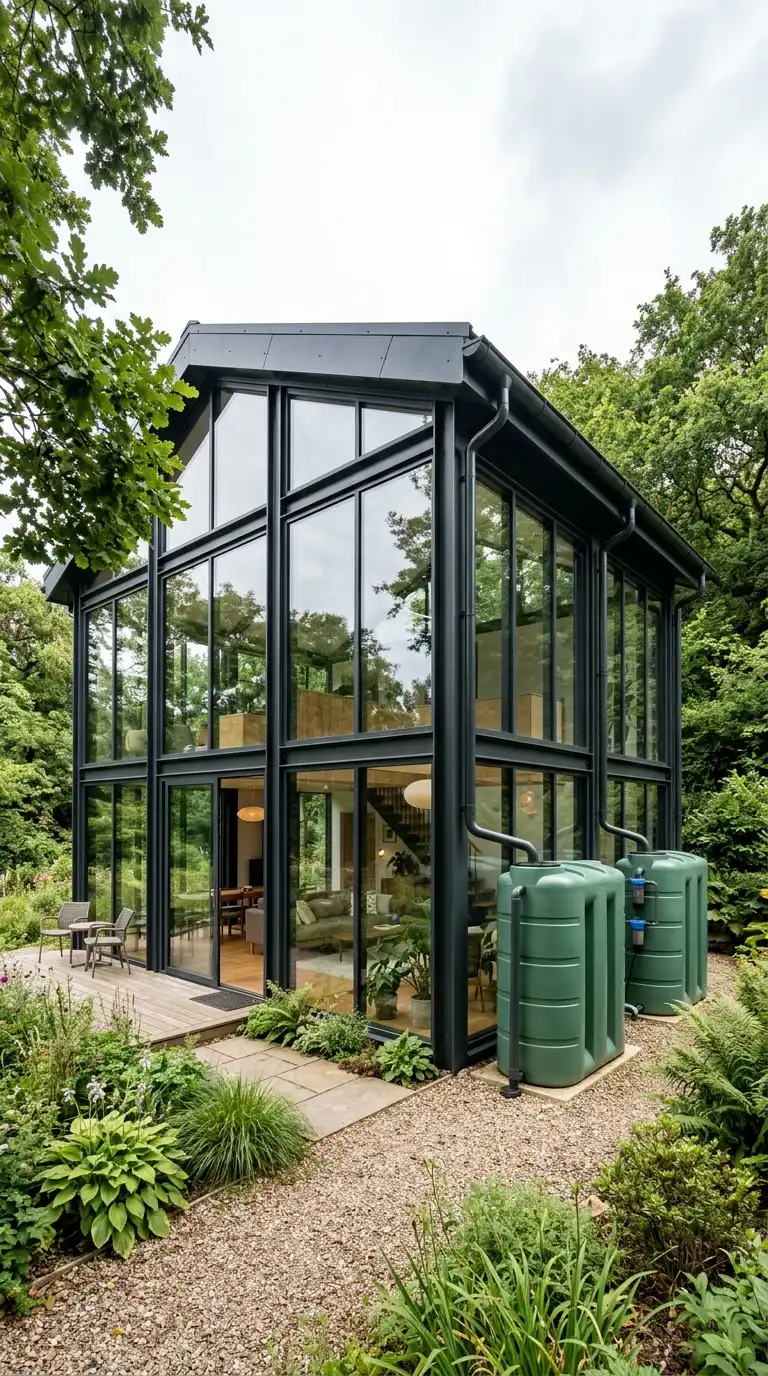
7. Greenhouse with Rainwater Collection System
A greenhouse with a rainwater collection system is sustainable and self-sufficient. The roof directs water into gutters and downspouts that fill large storage tanks. Use the collected water for irrigation. The tanks can be decorative or hidden. This design reduces reliance on municipal water.
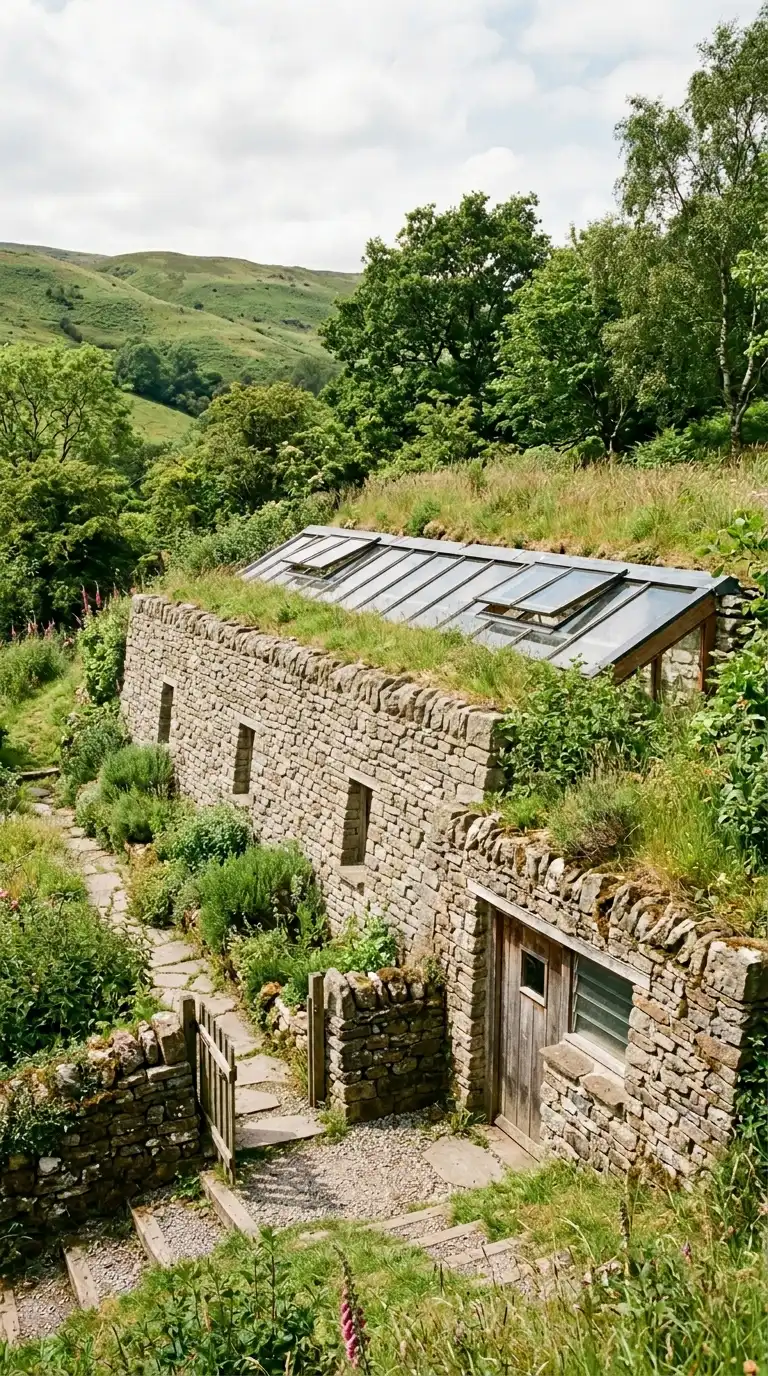
8. Sunken Greenhouse (Walipini)
A sunken greenhouse, or walipini, is built below ground level. The earth provides natural insulation, keeping temperatures stable. The roof is glazed and slanted to capture low-angle winter sun. Use stone or concrete for the walls. This design is ideal for cold climates.
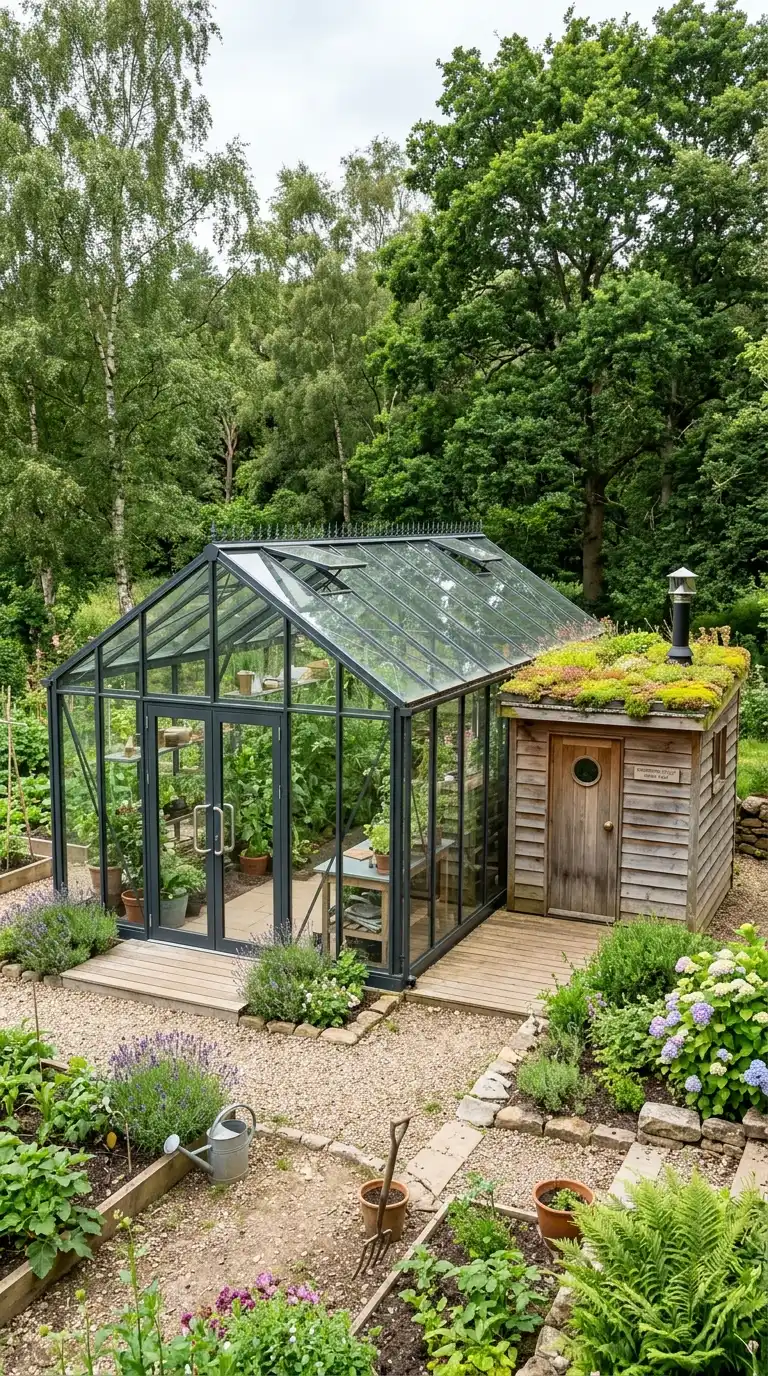
9. Greenhouse with Composting Toilet
A greenhouse with a composting toilet is off-grid and self-contained. The toilet is in a small attached structure. Composting toilets turn waste into fertilizer that can be used for non-edible plants. This design is perfect for a remote retreat or an eco-friendly homestead.
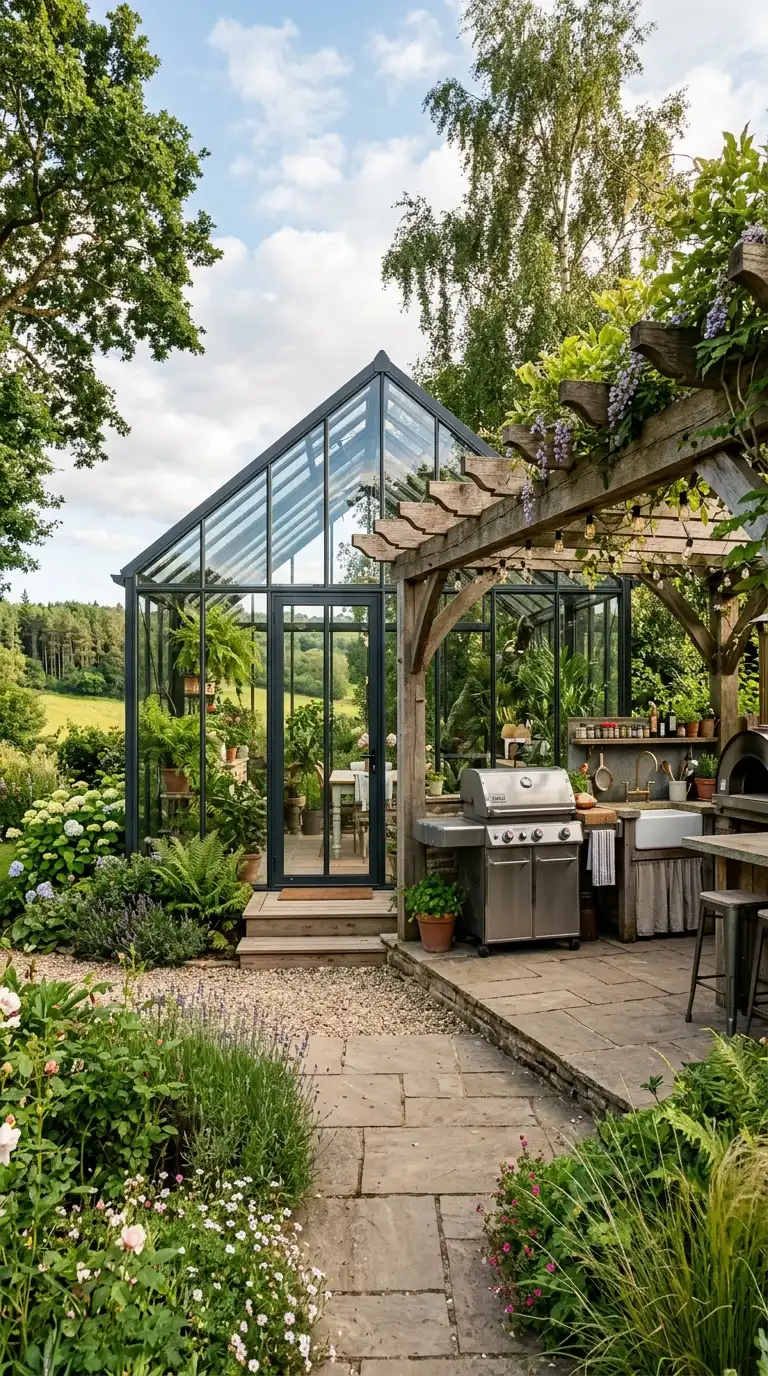
10. Greenhouse with Outdoor Kitchen
A greenhouse with an outdoor kitchen combines cooking with gardening. Use a covered patio area attached to the greenhouse. The kitchen has a grill, countertop, sink, and refrigerator. Herbs and vegetables can be picked fresh from the greenhouse and cooked immediately. This is the ultimate farm-to-table experience.
Key Elements of Modern Greenhouse Glass Houses
Structure: Steel, aluminum, or wood frame. Glazing: Glass (tempered or double-pane) or polycarbonate (lighter, less expensive, better insulation). Foundation: Concrete slab, gravel base, or earth-bermed. Ventilation: Roof vents, side vents, or motorized openers. Heating: Electric, gas, or passive solar. Cooling: Shade cloth, fans, or evaporative coolers. Flooring: Gravel, stone, concrete, or wood deck.
Uses for Greenhouse Glass Houses
- Year-round vegetable production
- Seed starting and propagation
- Tropical plant cultivation
- Orchid or succulent display
- Sunroom or living space
- Aquaponics or hydroponics
- Farm-to-table restaurant supply
- Community garden hub
Conclusion
A modern greenhouse glass house is more than a place to grow plants—it is a living space, a food source, and a connection to nature. Whether you choose a small backyard greenhouse with a seating area, an A-frame glass house with living walls, a commercial-scale glass house with hydroponic towers, a geodesic dome with a fish pond, a lean-to attached to your house, a glass house with a retractable roof, a greenhouse with rainwater collection, a sunken walipini, a greenhouse with a composting toilet, or a greenhouse with an outdoor kitchen, the key is to design for your climate, your growing needs, and your lifestyle. With these ten modern greenhouse glass house designs, you can cultivate a space that is both productive and beautiful.