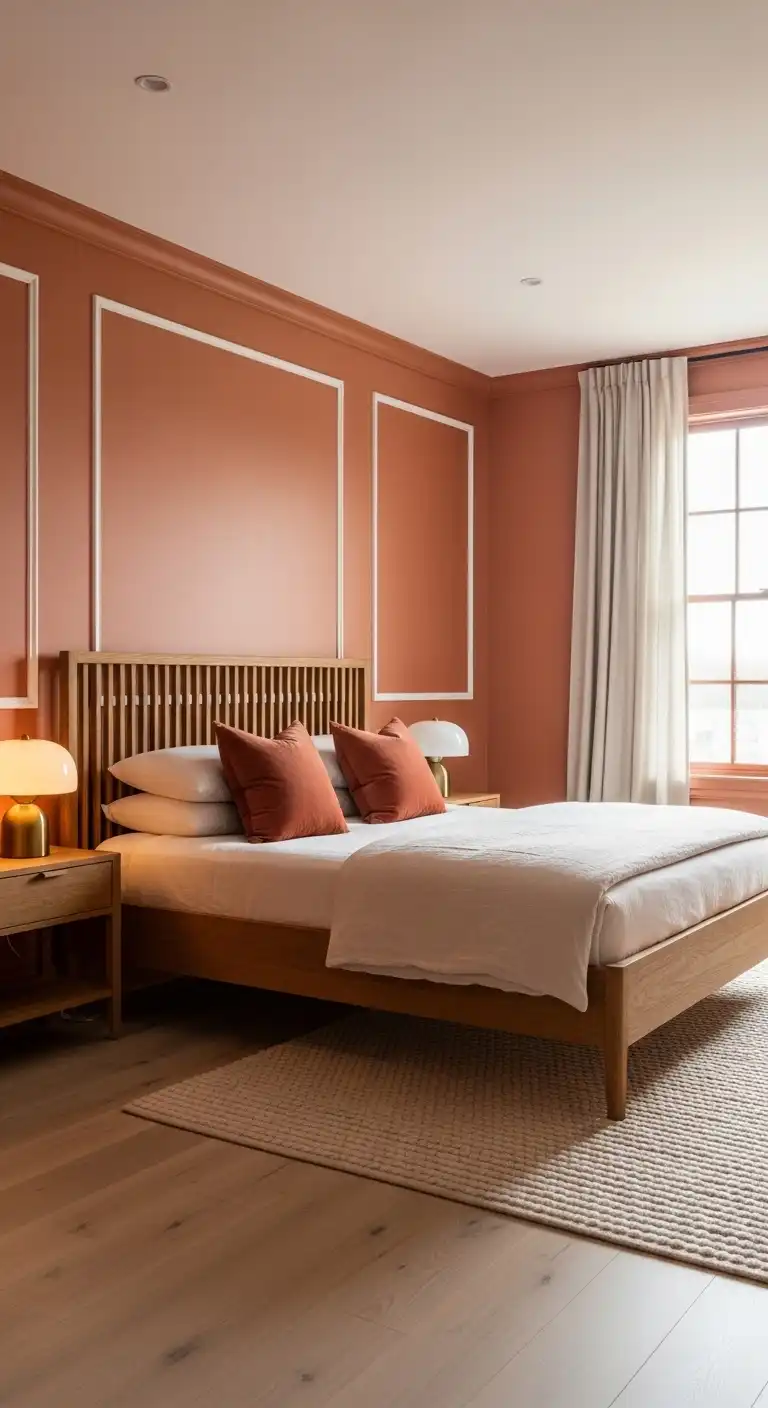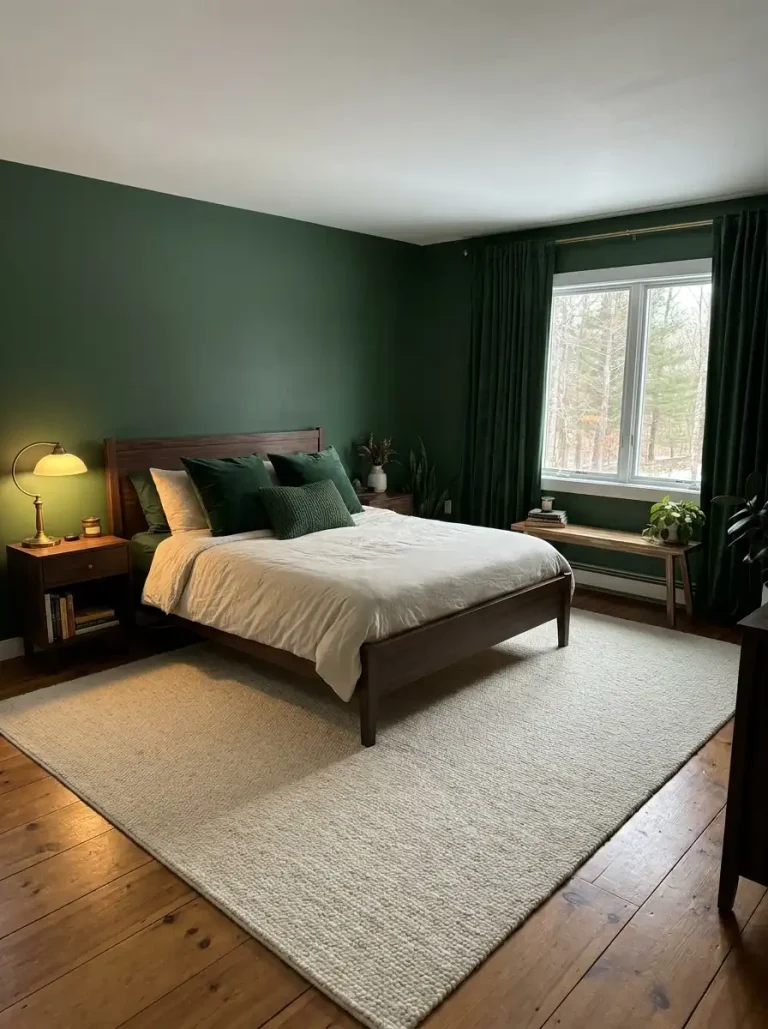
12 Neutral Bedroom Paint Colors Ideas
Neutral paint colors are the backbone of timeless interior design. They create a calm, serene backdrop that allows furniture, textiles, and artwork to shine. Unlike bold colors that demand attention, neutrals recede into the background, creating a sense of spaciousness and tranquility. From warm whites and creamy beiges to cool grays and earthy taupes, here are twelve neutral bedroom paint colors ideas.
1. Crisp White
Crisp white is the ultimate neutral. It reflects light, making small bedrooms feel larger and dark bedrooms feel brighter. White walls create a clean, fresh canvas that works with any style—modern, farmhouse, coastal, or traditional. The key to using white is to layer texture through bedding, rugs, and curtains to add warmth and interest.
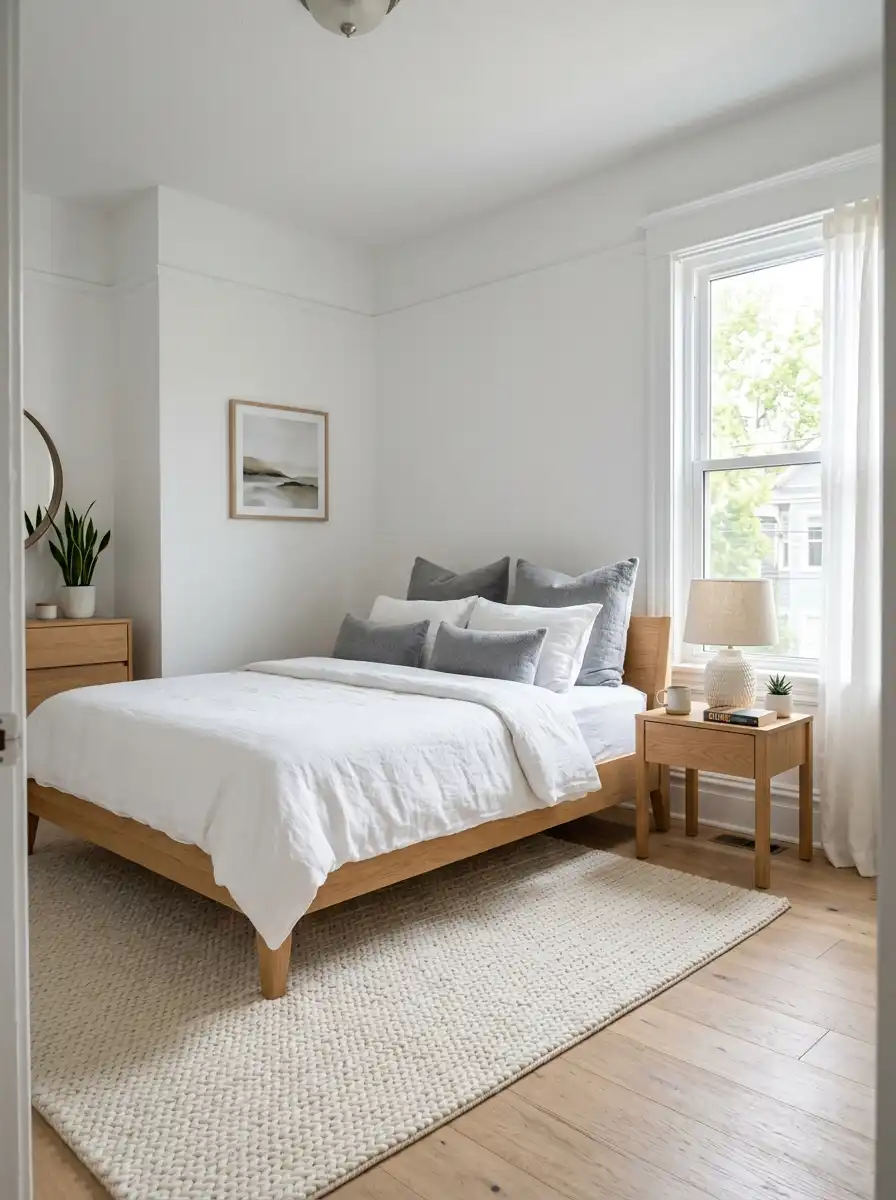
2. Warm Cream
Warm cream has yellow or beige undertones that add softness and warmth to a room. Unlike crisp white, cream feels cozy and inviting. It is an excellent choice for bedrooms that receive cool northern light. Pair cream walls with wood furniture, linen bedding, and brass accents for a warm, elegant look.
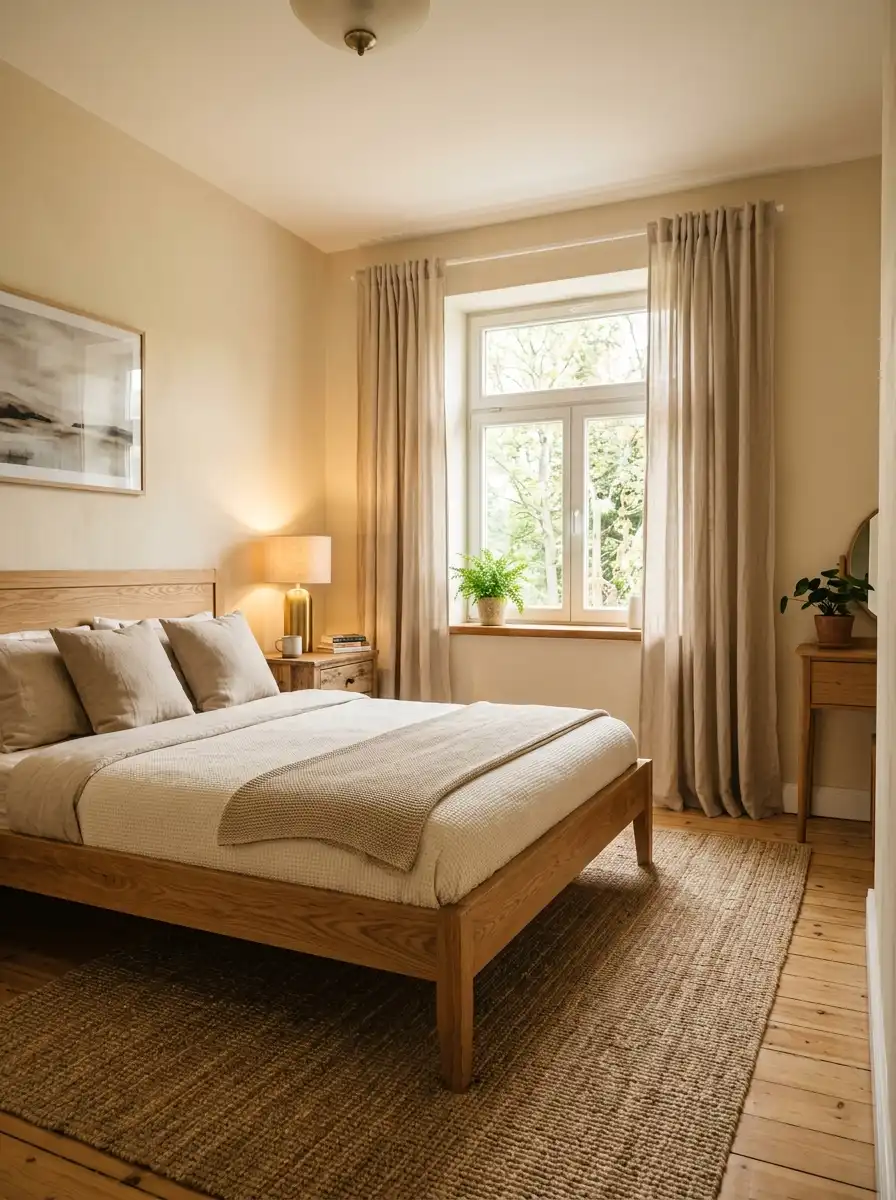
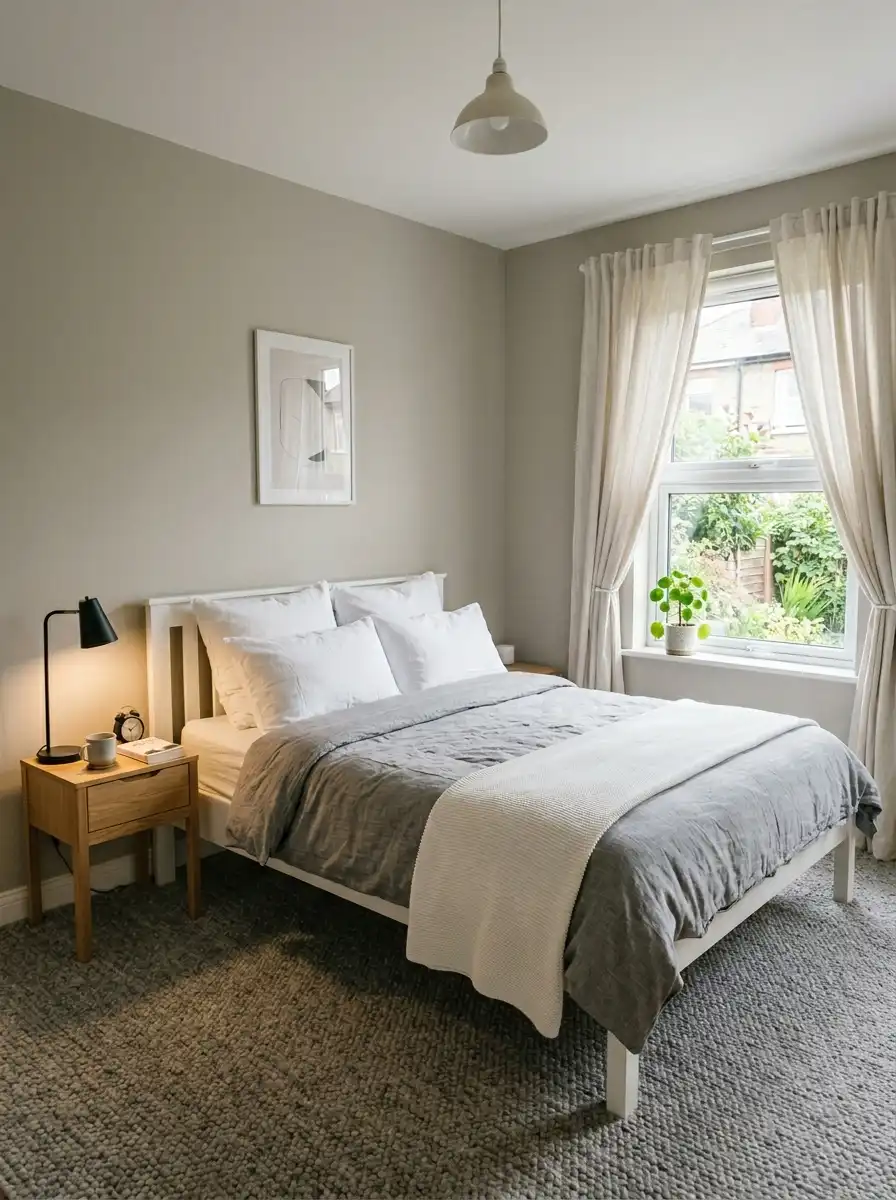
3. Light Greige
Greige is a blend of gray and beige, combining the coolness of gray with the warmth of beige. Light greige is a versatile, sophisticated neutral that works well in bedrooms with any orientation. It pairs beautifully with white bedding, natural wood furniture, and black or brass hardware.
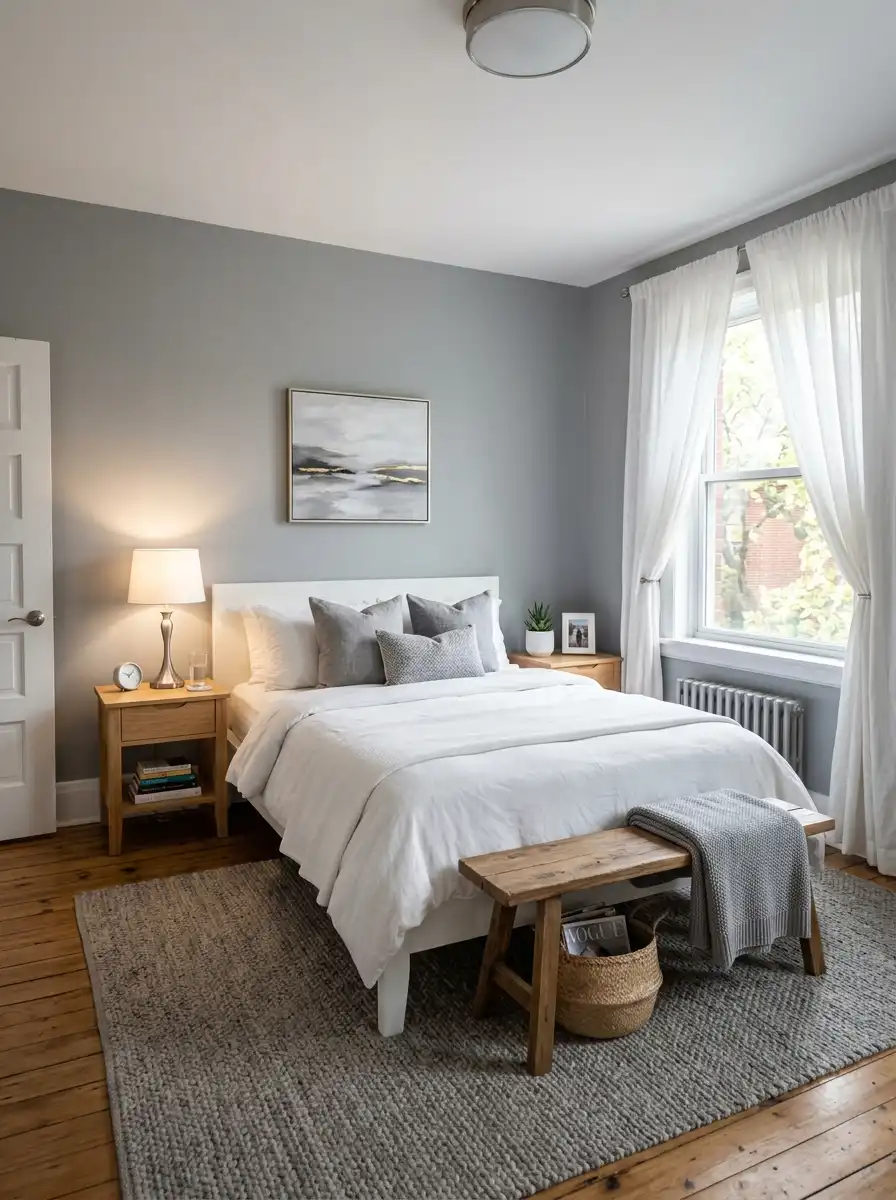
4. Soft Gray
Soft gray is a cool, calming neutral that feels serene and sophisticated. It is an excellent choice for bedrooms that receive warm southern light, as it balances the warmth. Pair soft gray walls with white bedding, natural wood furniture, and silver or black accents.
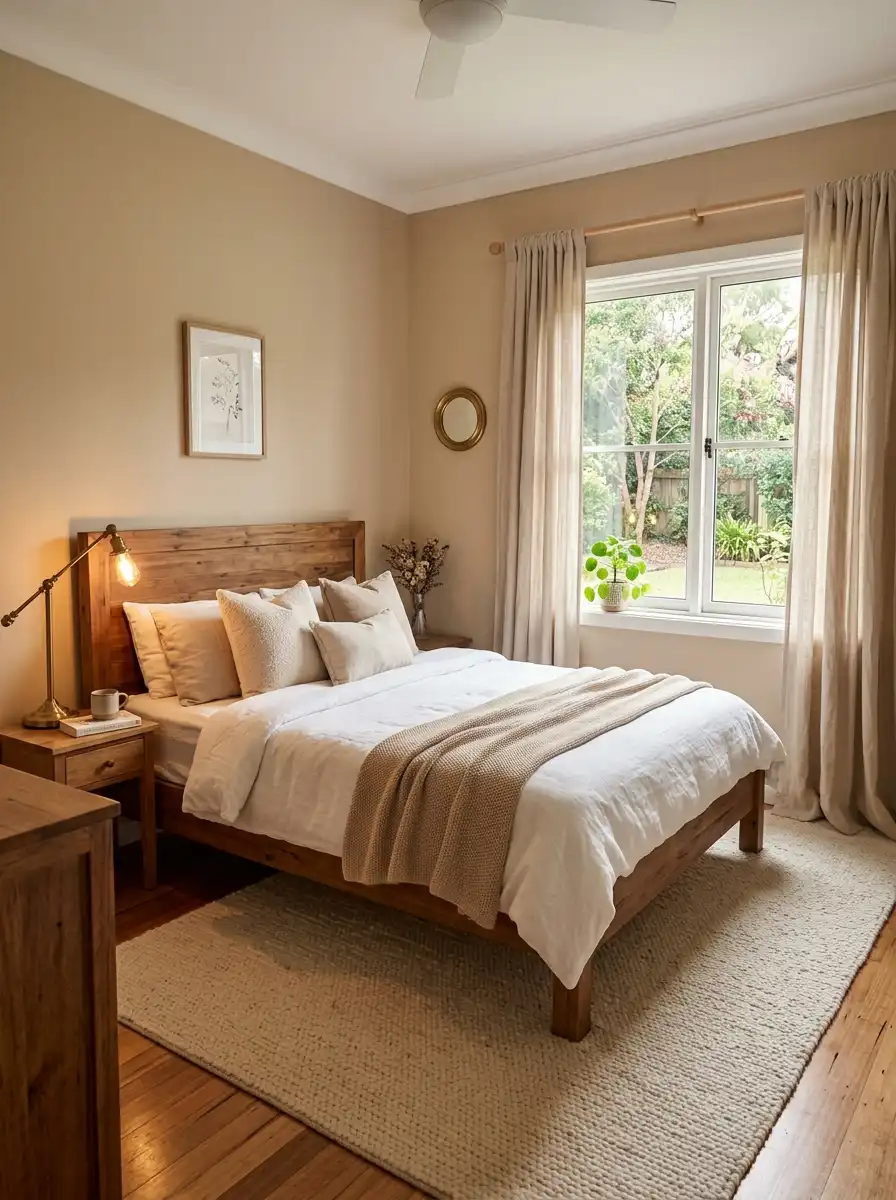
5. Warm Beige
Warm beige is a cozy, grounding neutral that feels like a warm embrace. It is darker than cream but lighter than taupe, making it an excellent choice for bedrooms that need warmth without drama. Pair warm beige walls with white or cream bedding, natural wood furniture, and brass or gold accents.
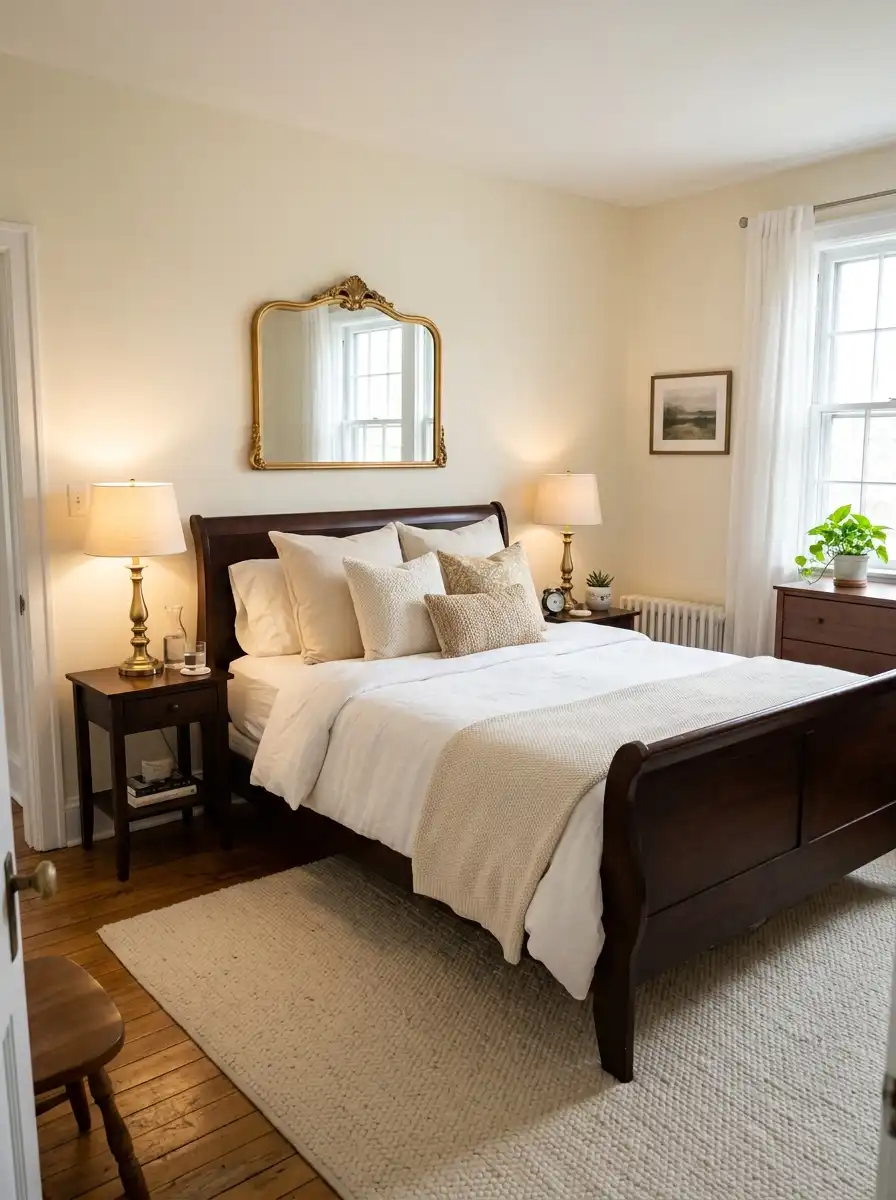
6. Ivory
Ivory is a soft, elegant off-white with subtle yellow undertones. It is warmer than white but lighter than cream. Ivory walls create a sophisticated, serene backdrop. Pair with gold or brass accents, white bedding, and dark wood furniture for contrast.
7. Taupe
Taupe is a gray-brown neutral that feels sophisticated and grounding. It is darker than greige and adds more depth to a room. Taupe works well in larger bedrooms or rooms with plenty of natural light. Pair taupe walls with cream bedding, wood furniture, and brass or silver accents.
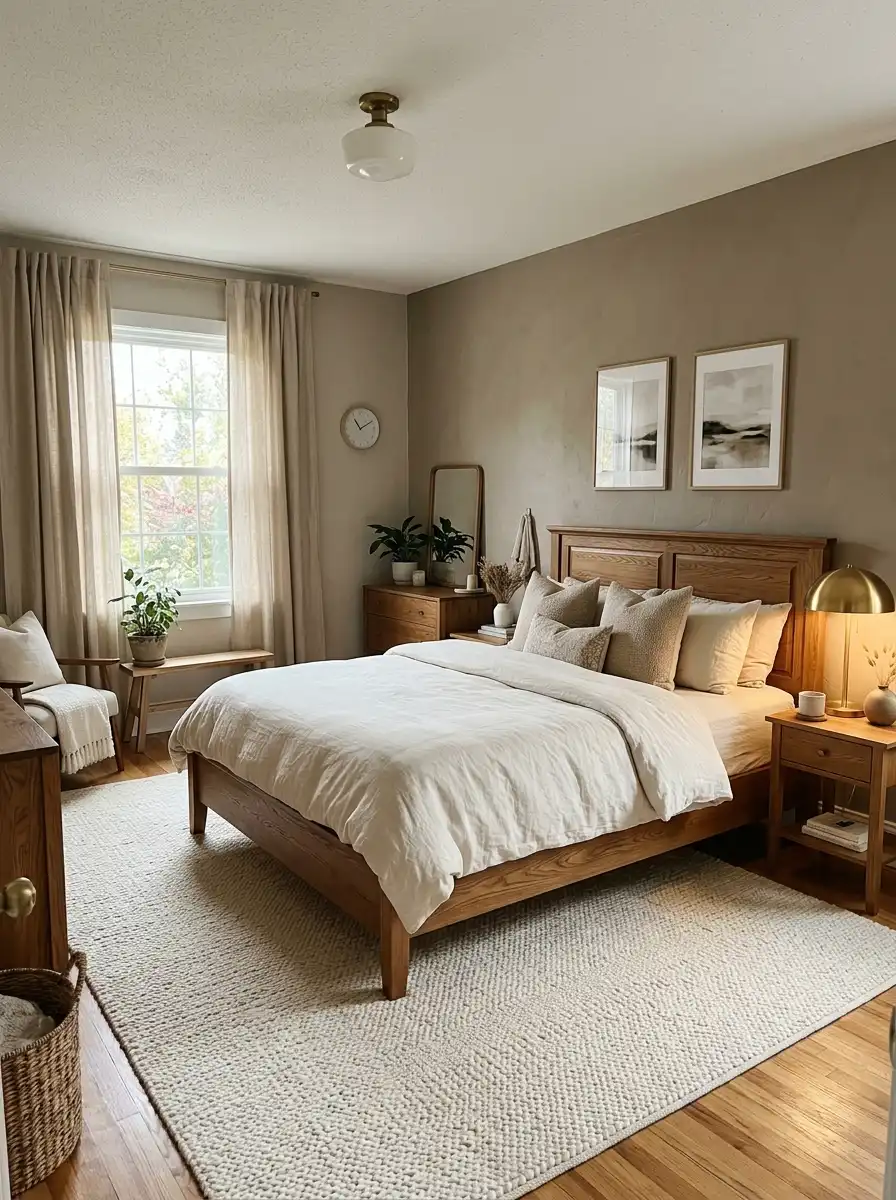
8. Mushroom Gray
Mushroom gray is a soft, warm gray with brown undertones. It feels organic, grounded, and deeply calming. Mushroom gray is an excellent choice for a bedroom that feels like a cozy retreat. Pair with cream bedding, natural wood furniture, and black or brass hardware.
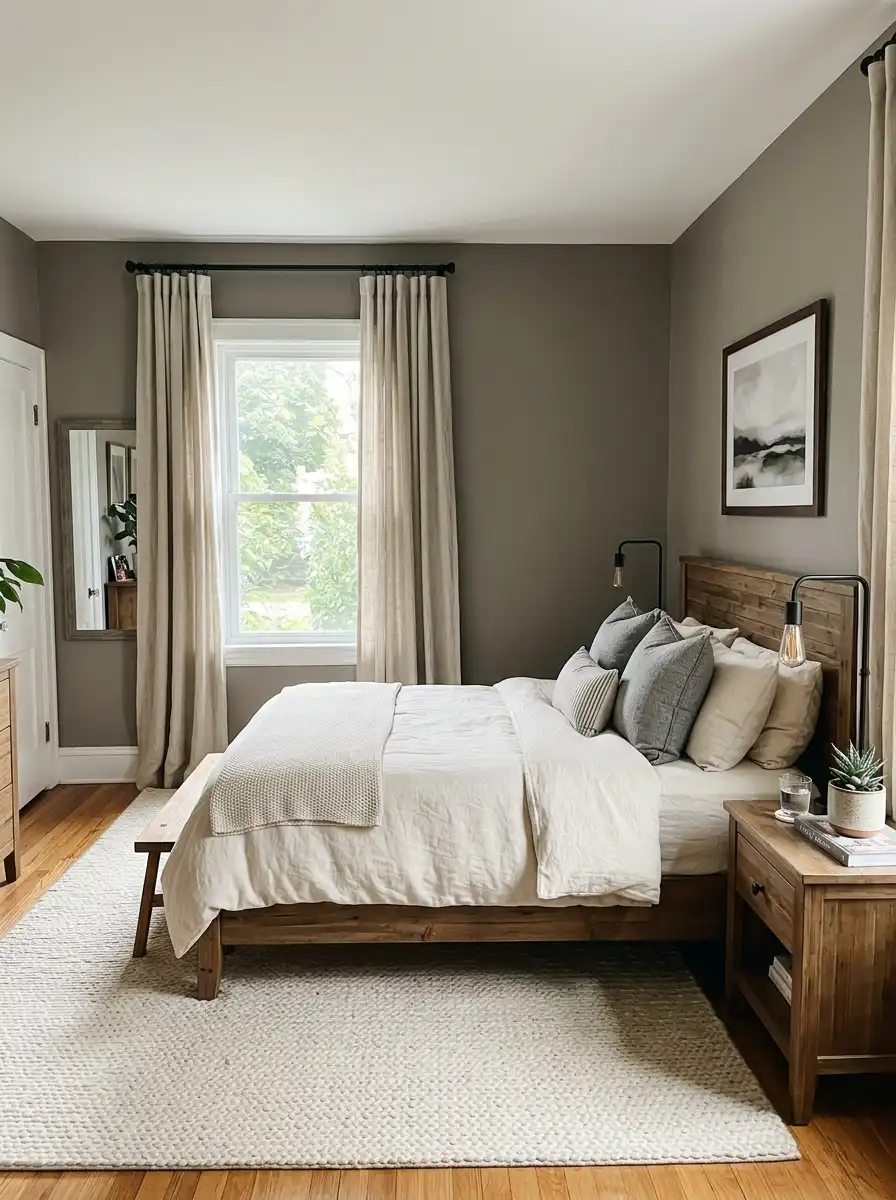
9. Alabaster White
Alabaster white is a soft, warm white with subtle beige undertones. It is less stark than crisp white and feels more organic. Alabaster is an excellent choice for bedrooms that want a bright, airy feel without the harshness of pure white. Pair with natural wood furniture, linen bedding, and woven textures.
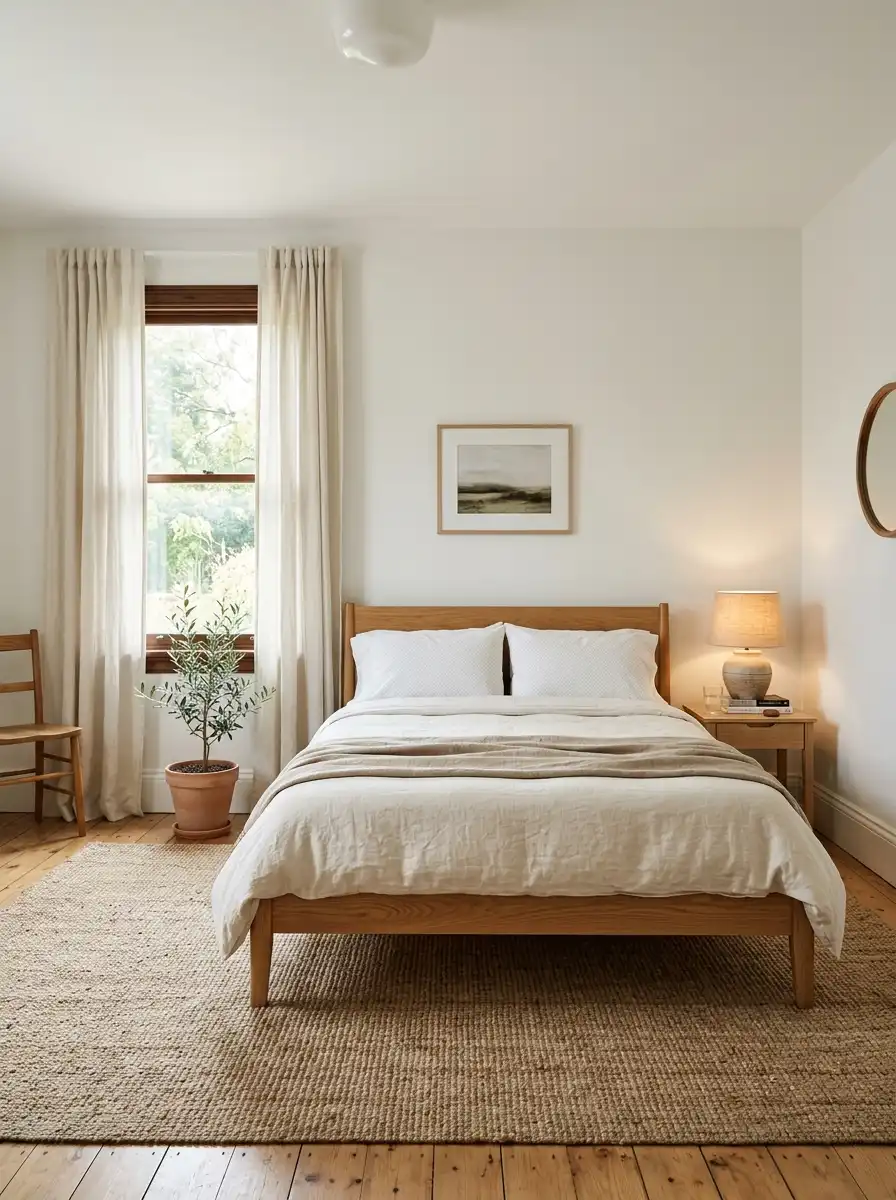
10. Stone Gray
Stone gray is a medium gray with blue or green undertones. It feels calm, natural, and slightly cool. Stone gray is an excellent choice for bedrooms that want more depth than light gray but less drama than charcoal. Pair with white bedding, natural wood furniture, and silver or black accents.
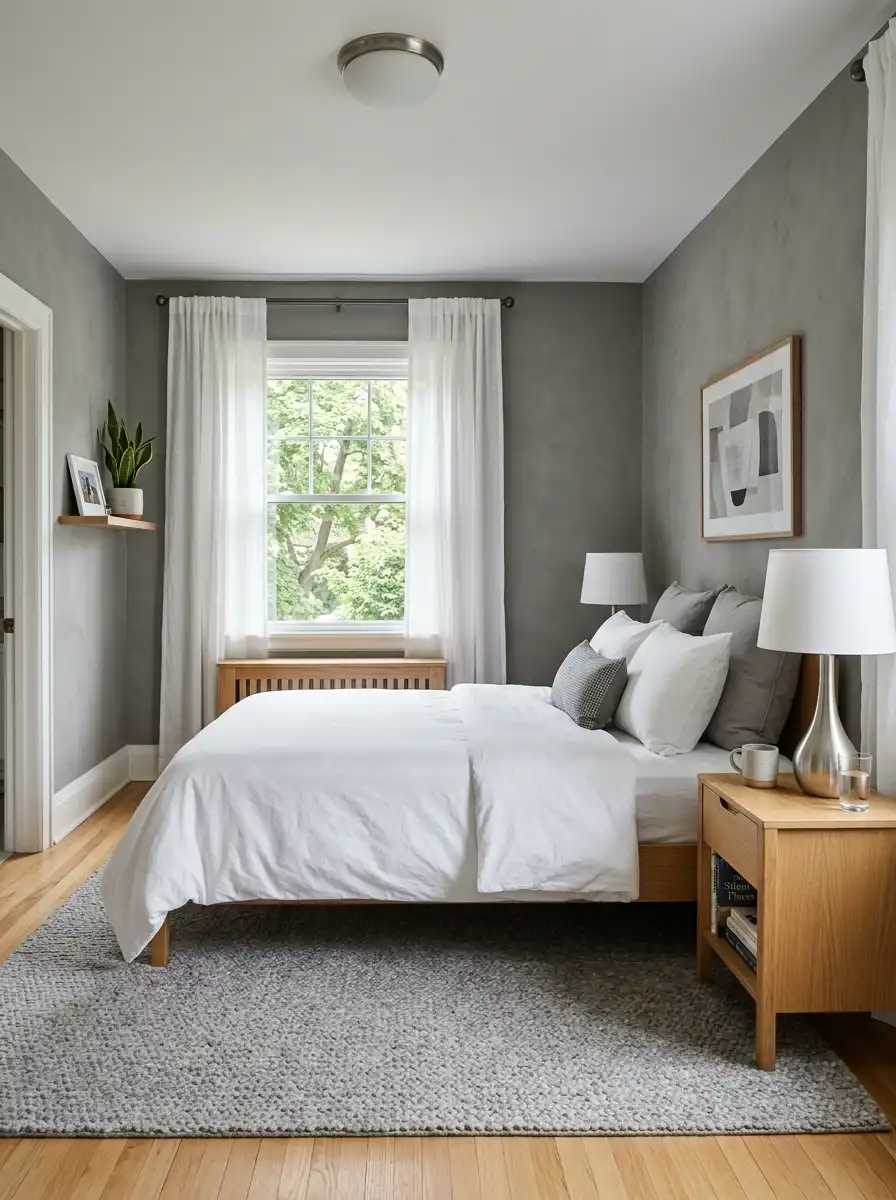
11. Oatmeal
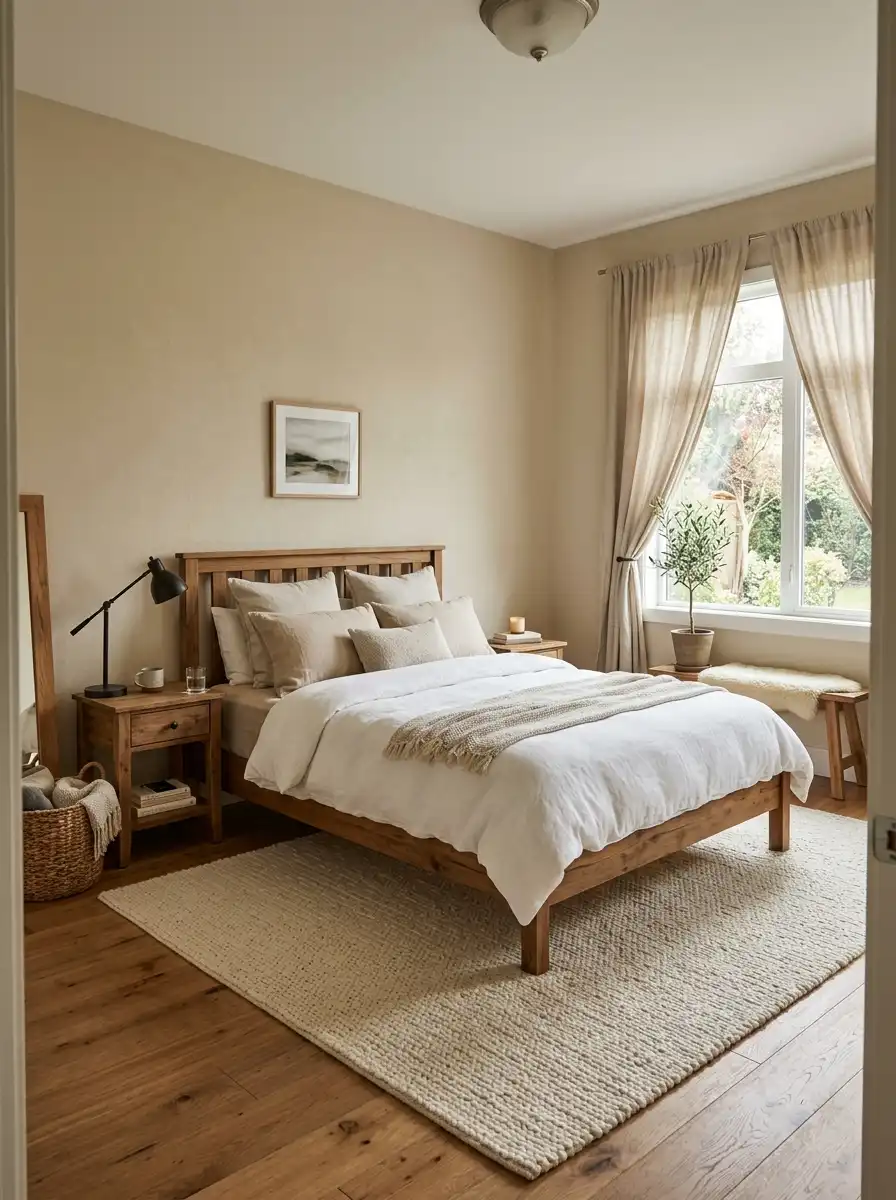
Oatmeal is a warm, creamy beige with yellow undertones. It feels cozy, inviting, and organic. Oatmeal is an excellent choice for farmhouse and Scandinavian bedrooms. Pair with white bedding, natural wood furniture, and brass or black accents.
12. Pale Oak
Pale oak is a warm, light greige with beige undertones. It is a versatile neutral that works well in bedrooms with any orientation. Pale oak feels warm without being yellow and gray without being cool. Pair with white bedding, natural wood furniture, and brass or silver accents.
Tips for Using Neutral Paint Colors
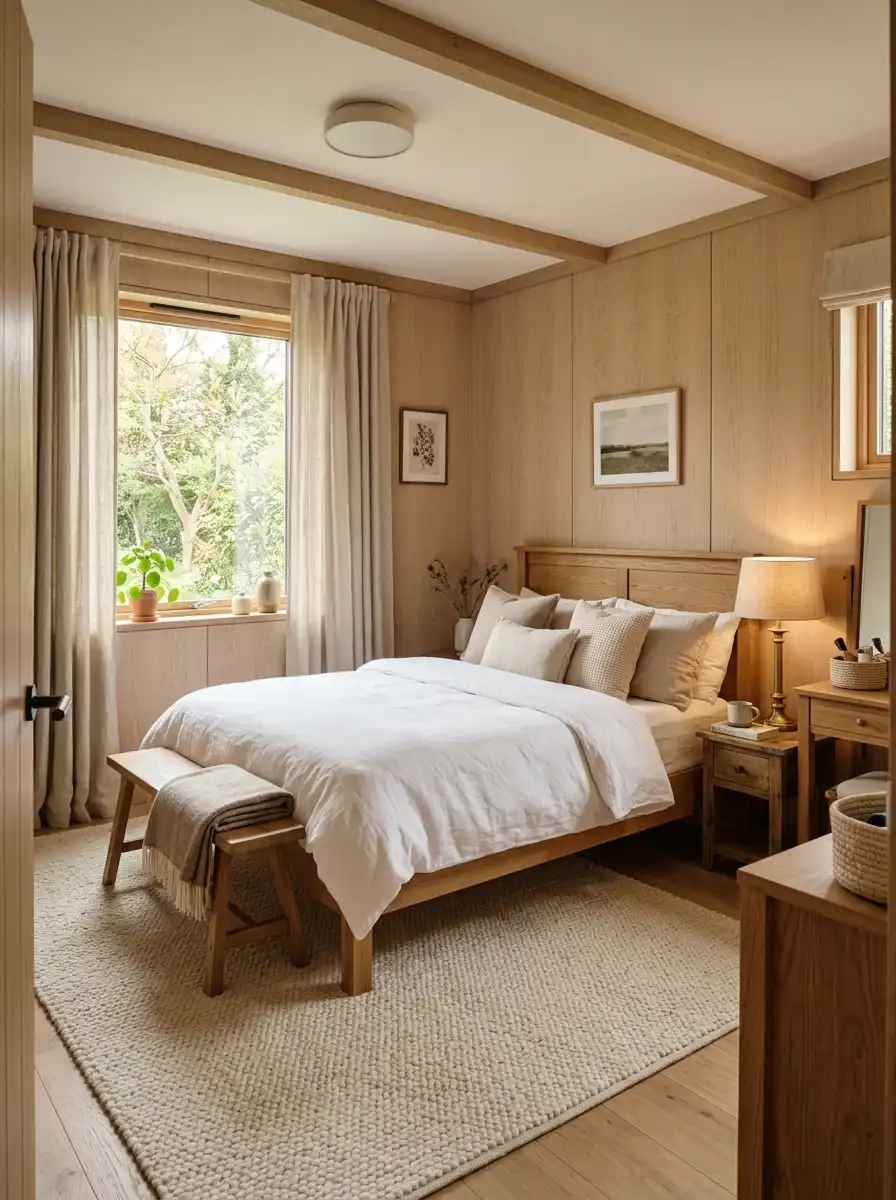
Consider Undertones: Neutrals have undertones of pink, yellow, blue, or green. Test samples on your wall to see how the undertone interacts with your lighting. North-facing rooms have cool light, so warm neutrals (cream, beige) will feel more inviting. South-facing rooms have warm light, so cool neutrals (gray, greige) work well. Layer Textures: Since neutrals can feel flat, texture is essential. Use wool rugs, linen curtains, chunky knit throws, and wood furniture to add depth and interest. Use the 60-30-10 Rule: 60% of the room should be the dominant neutral (walls), 30% a secondary neutral (upholstery, curtains), and 10% an accent color (pillows, art). Test Samples: Paint large swatches on your wall and observe them at different times of day.
Conclusion
Neutral paint colors are the foundation of a timeless, serene bedroom. Whether you choose the clean brightness of crisp white, the warm softness of cream, the versatile balance of greige, the cool calm of soft gray, the cozy grounding of warm beige, the elegant softness of ivory, the sophisticated depth of taupe, the organic calm of mushroom gray, the airy brightness of alabaster, the natural depth of stone gray, the cozy warmth of oatmeal, or the versatile warmth of pale oak, the key is to choose a neutral that works with your lighting and complements your furniture and textiles. Test samples, layer textures, and don’t be afraid to add small accents of color. With these twelve neutral bedroom paint colors ideas, you can create a calm, serene sanctuary that feels timeless and uniquely yours.