12 Relaxing Bedroom Paint Colors Designs
A relaxing bedroom is a sanctuary—a place to unwind, de-stress, and recharge. The right paint color sets the tone for restful sleep and peaceful moments. Colors that are soft, muted, and low in saturation tend to be the most calming, while bright, saturated colors can be stimulating. From soft blues and sage greens to warm greiges and lavender, here are twelve relaxing bedroom paint colors designs.
1. Soft Powder Blue
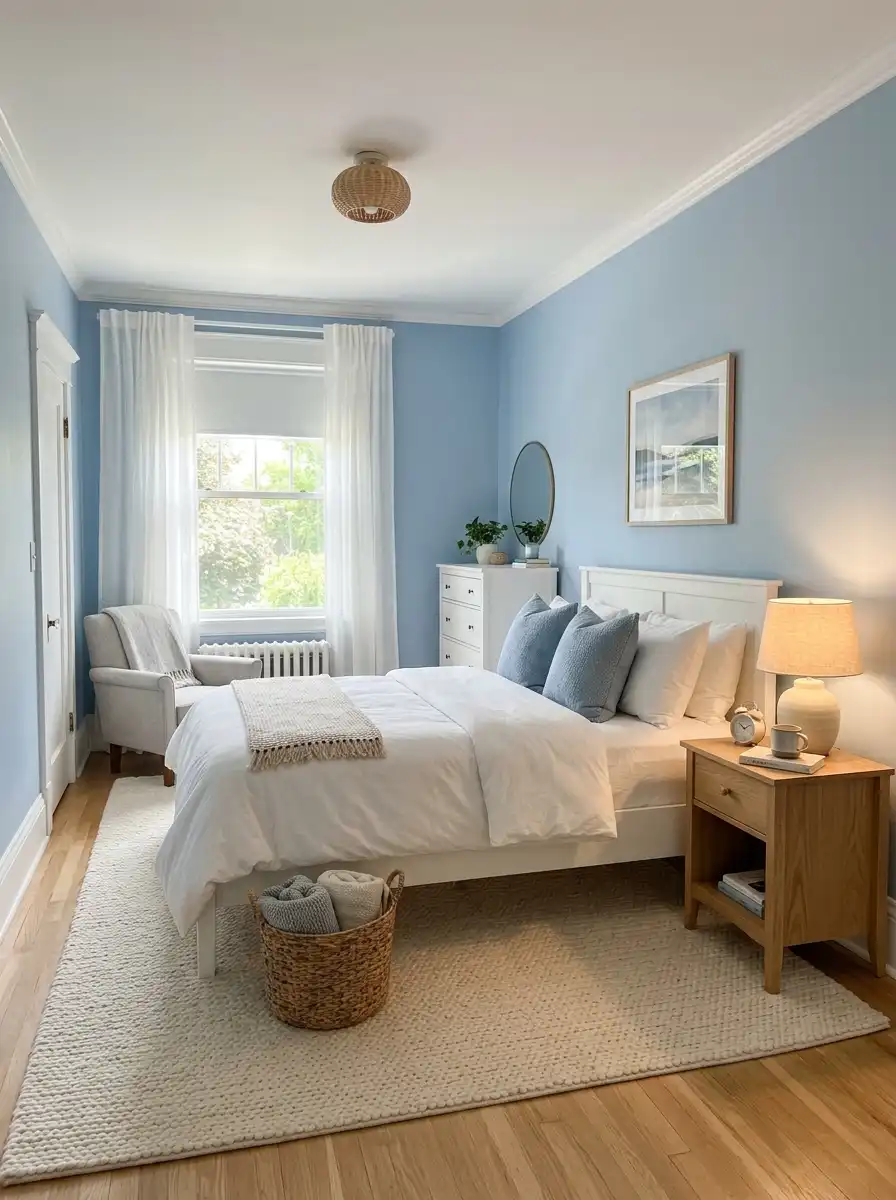
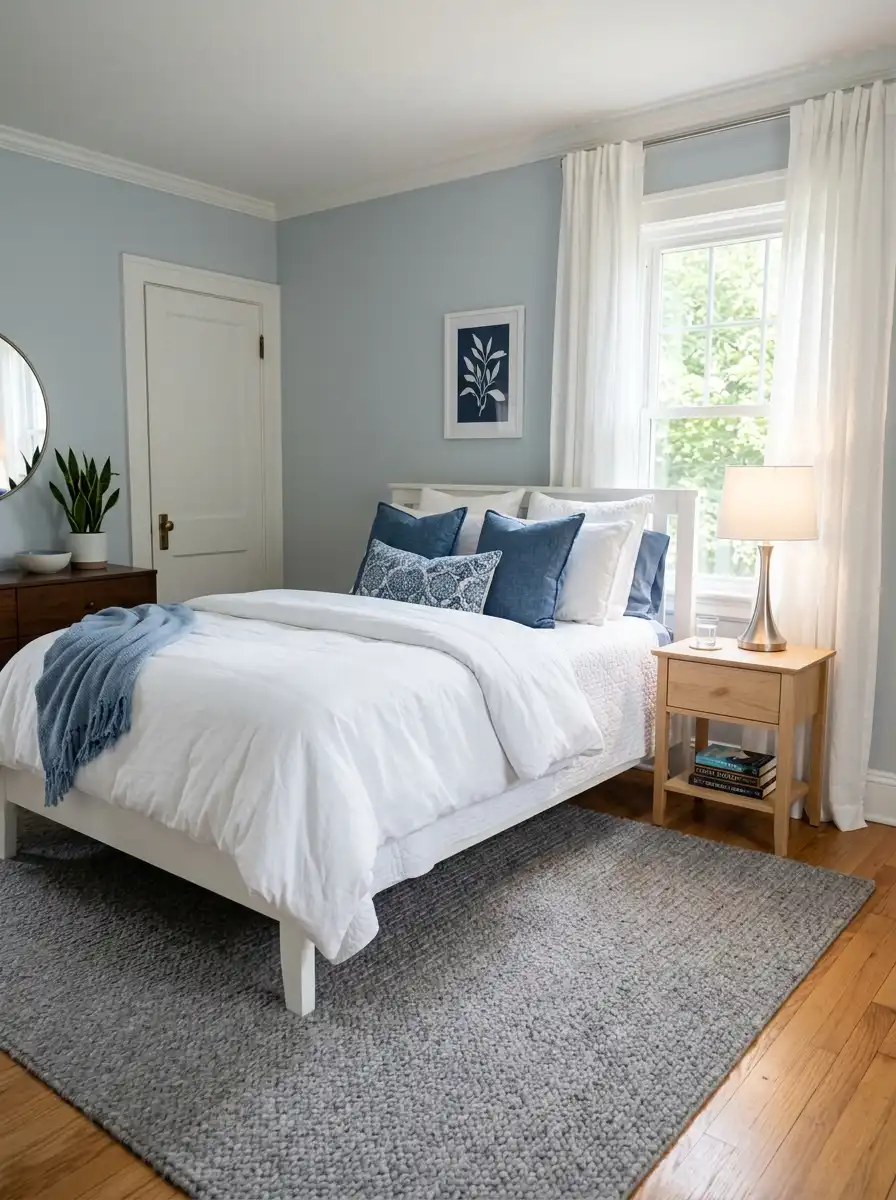
Soft powder blue is one of the most calming colors for a bedroom. It evokes clear skies and calm water, lowering heart rate and promoting relaxation. Use soft blue on all four walls for a serene, cohesive look. Pair with white bedding, natural wood furniture, and cream textiles. Add white trim for a fresh contrast.
2. Sage Green
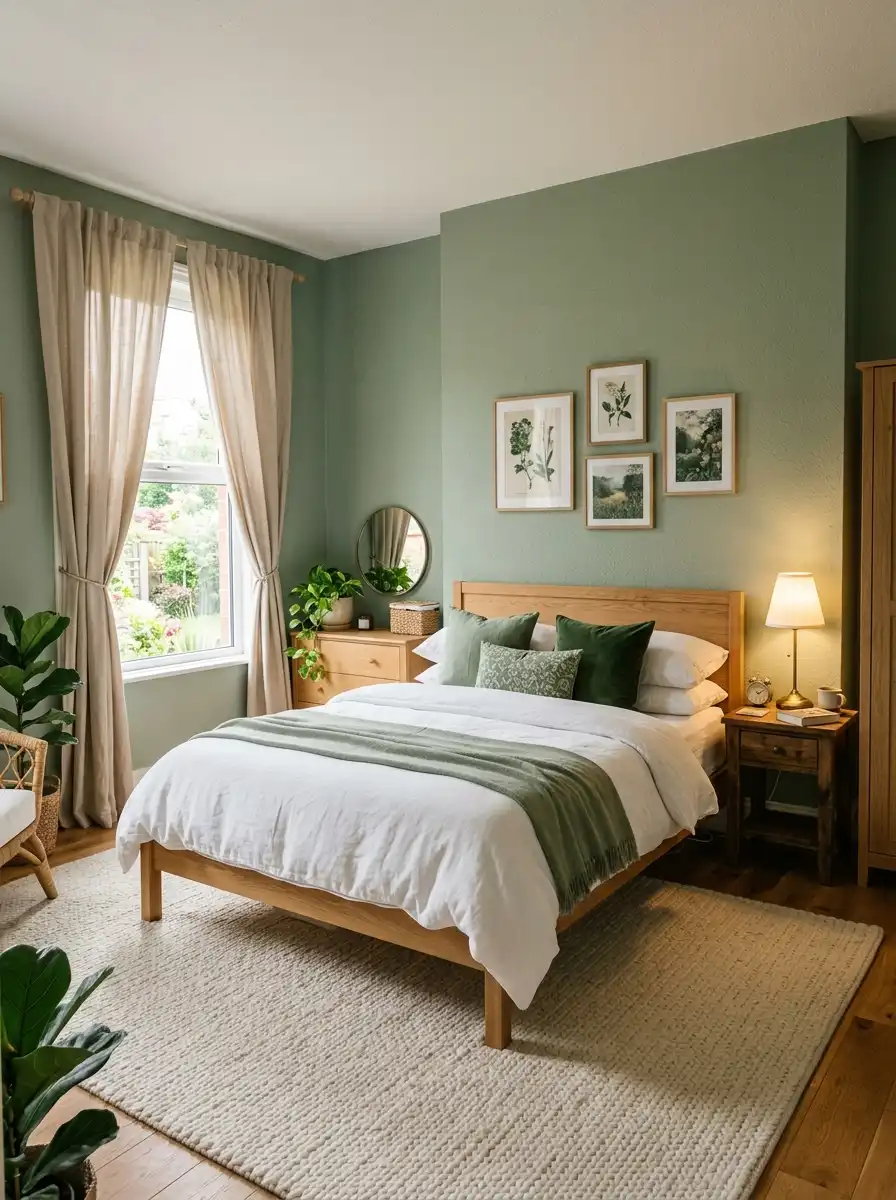
Sage green is a soft, muted green with gray undertones. It connects the bedroom to nature, promoting a sense of calm and grounding. Sage green works beautifully in both modern and traditional bedrooms. Pair with white or cream bedding, natural wood furniture, and brass accents. Add linen curtains for softness.
3. Warm Greige
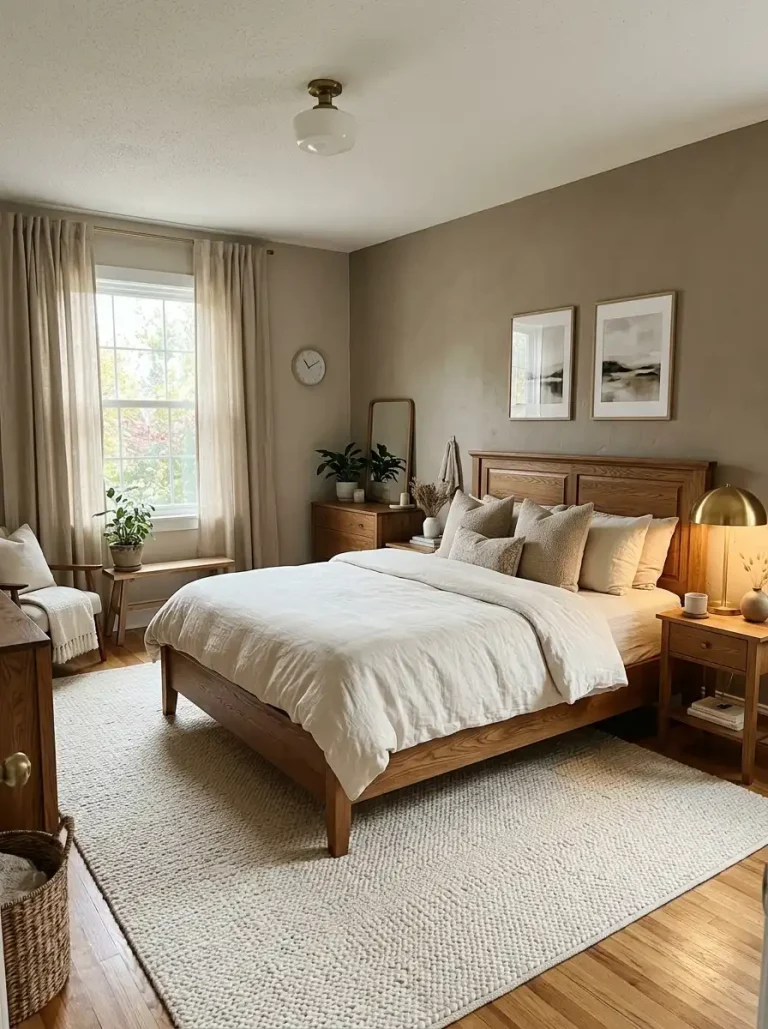
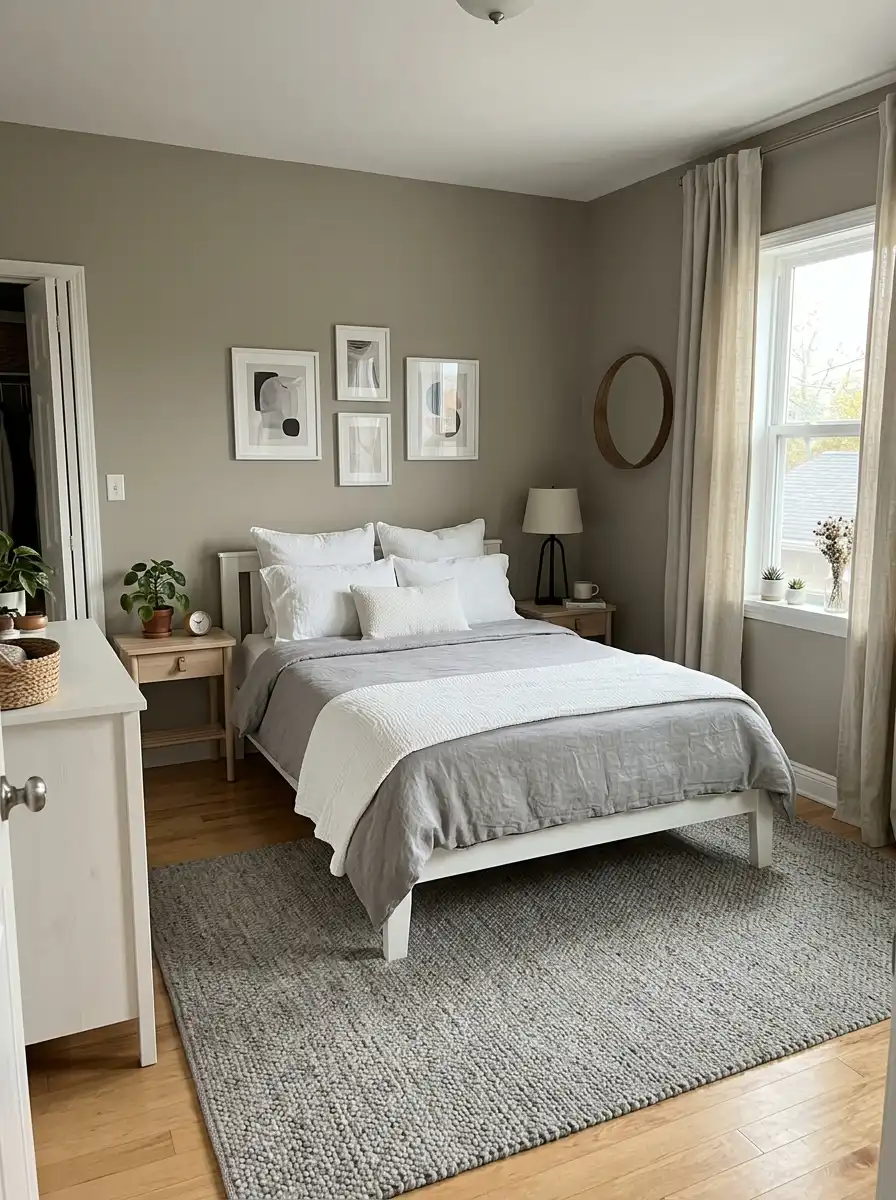
Greige is a blend of gray and beige, combining the coolness of gray with the warmth of beige. It is a versatile, soothing neutral that works well in any bedroom. Warm greige has more beige undertones, making it feel cozy and inviting. Pair with white bedding, natural wood furniture, and black or brass hardware.
4. Lavender
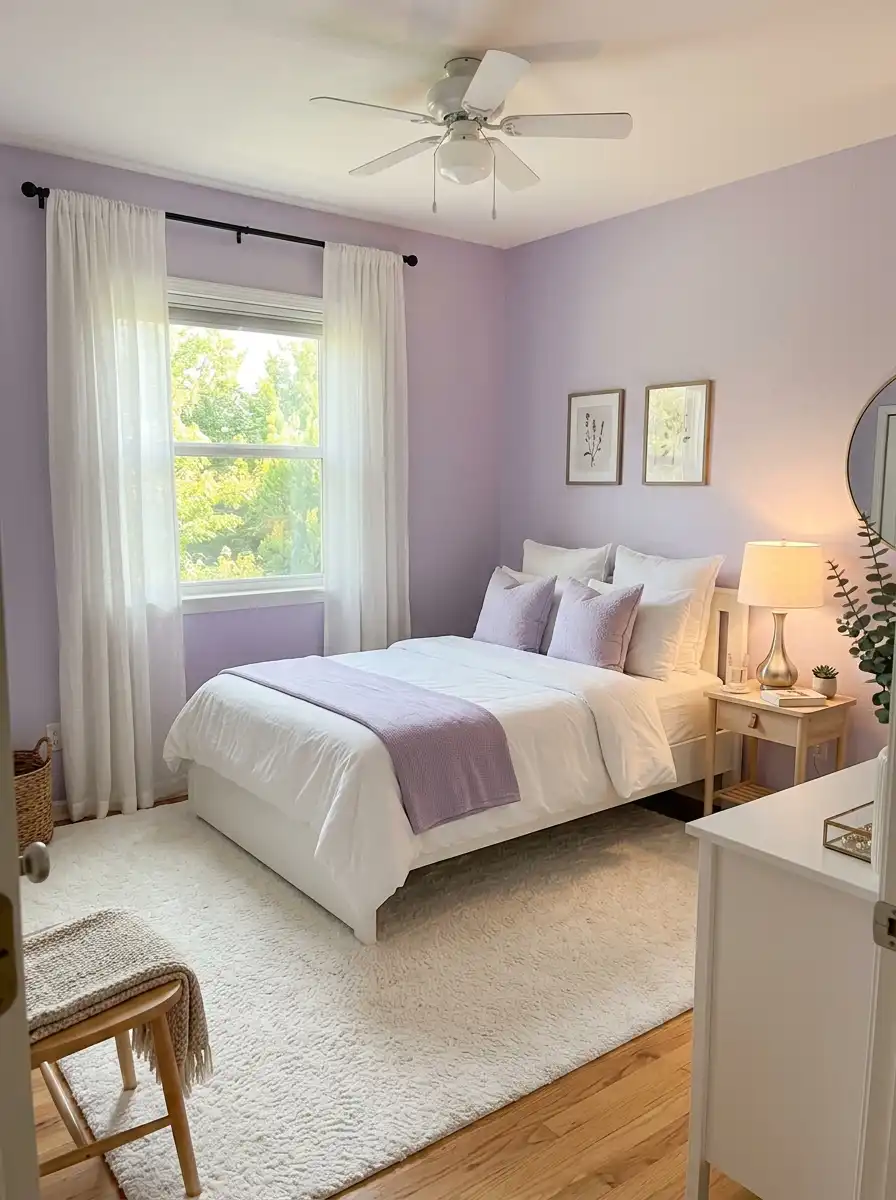
Lavender is a soft, light purple that promotes restful sleep and relaxation. It has a gentle, calming energy without being overly stimulating. Use lavender on all walls for a serene, dreamy bedroom. Pair with white bedding, natural wood furniture, and silver or white accents.
5. Pale Blue-Gray
Pale blue-gray is a soft, muted blend of blue and gray. It has the calming qualities of blue with the grounding neutrality of gray. This color feels sophisticated and serene. Pair with white bedding, natural wood furniture, and silver or brass accents. Use white trim for a clean contrast.
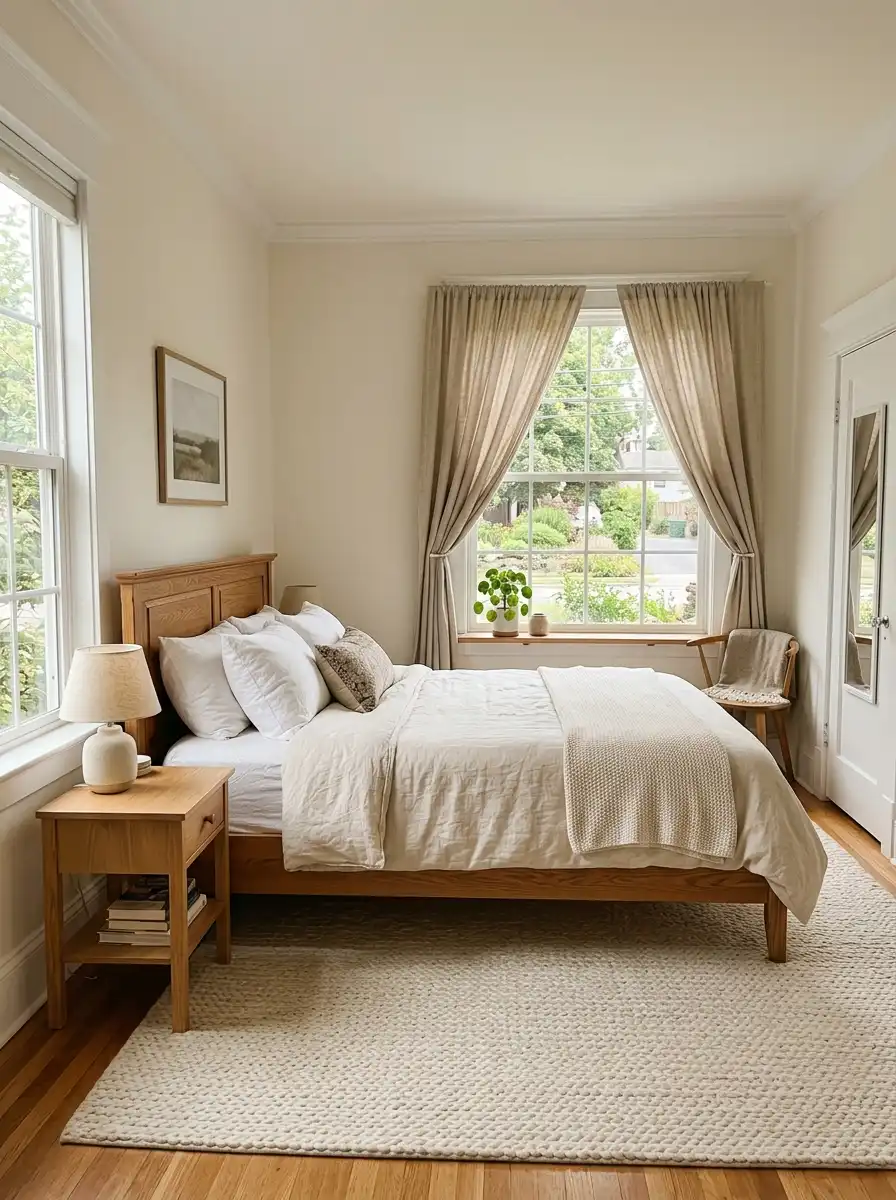
6. Warm White
Warm white is a soft, creamy white with yellow or beige undertones. It reflects light, making the room feel bright and open, while the warm undertones keep it from feeling cold. Warm white is an excellent choice for small bedrooms or those with little natural light. Pair with natural wood furniture, linen bedding, and textured textiles.
7. Dusty Blue
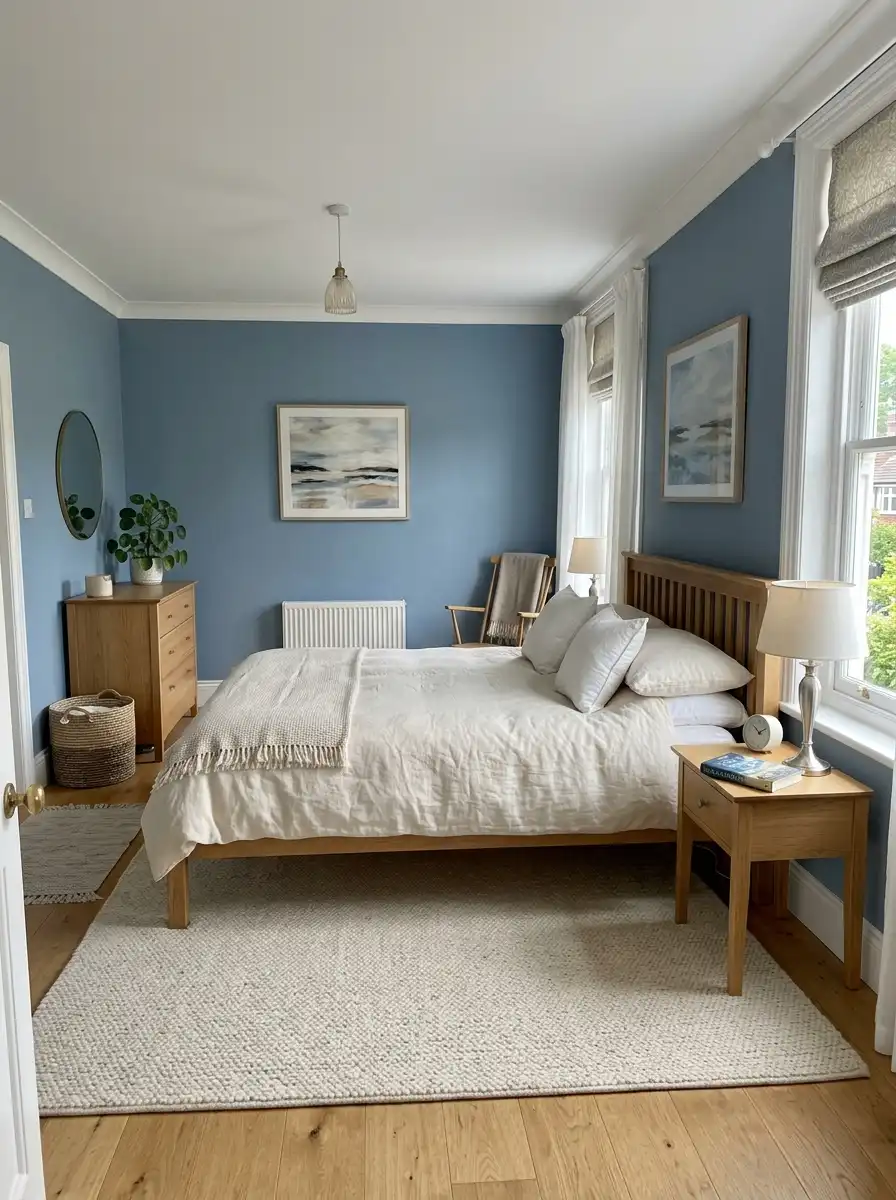
Dusty blue is a muted, grayed-down blue that feels soft, calming, and vintage-inspired. It is less intense than navy and more sophisticated than powder blue. Dusty blue promotes relaxation without feeling cold. Pair with cream bedding, white trim, and natural wood furniture.
8. Pale Pink
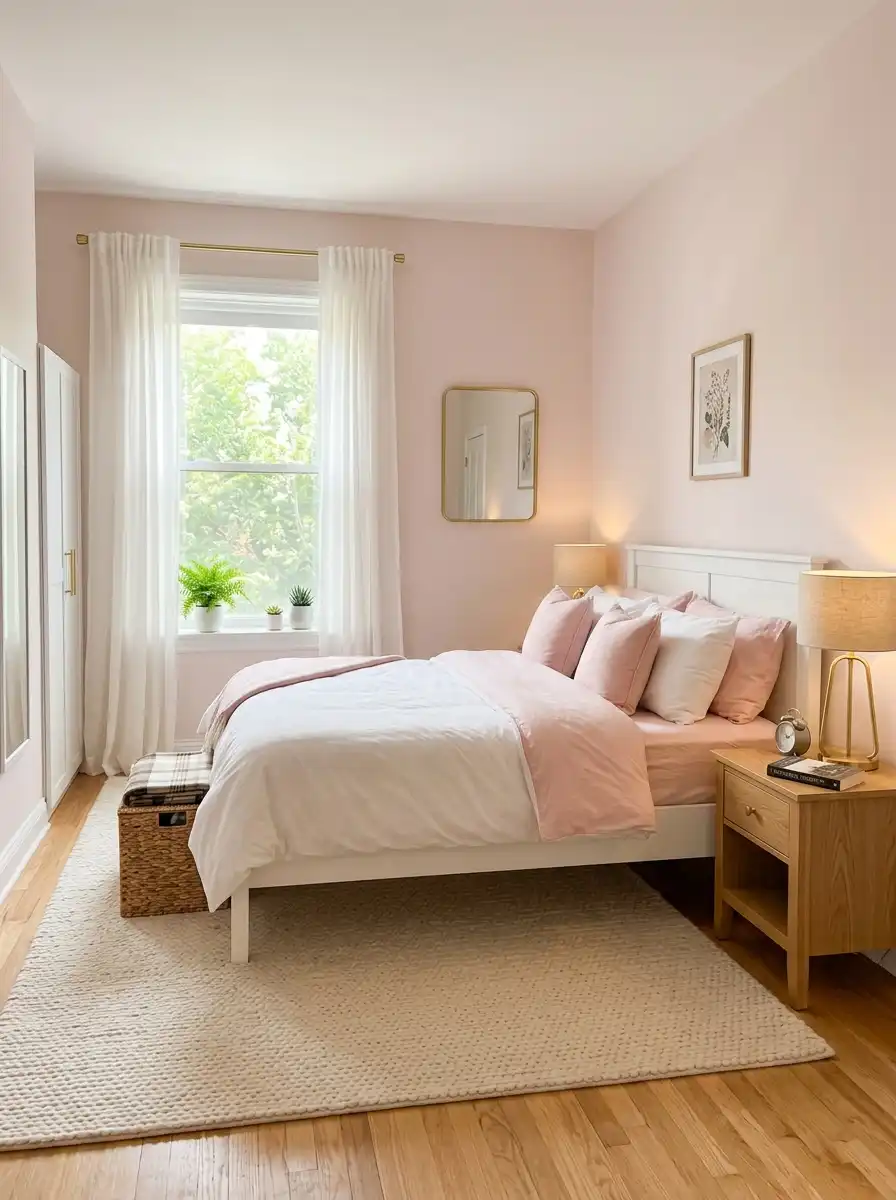
Pale pink is a soft, muted pink that feels gentle, romantic, and calming. It is not bright or hot pink; it is a whisper of color. Pale pink promotes a sense of warmth and softness. Pair with white bedding, natural wood furniture, and gold or brass accents.
9. Soft Taupe
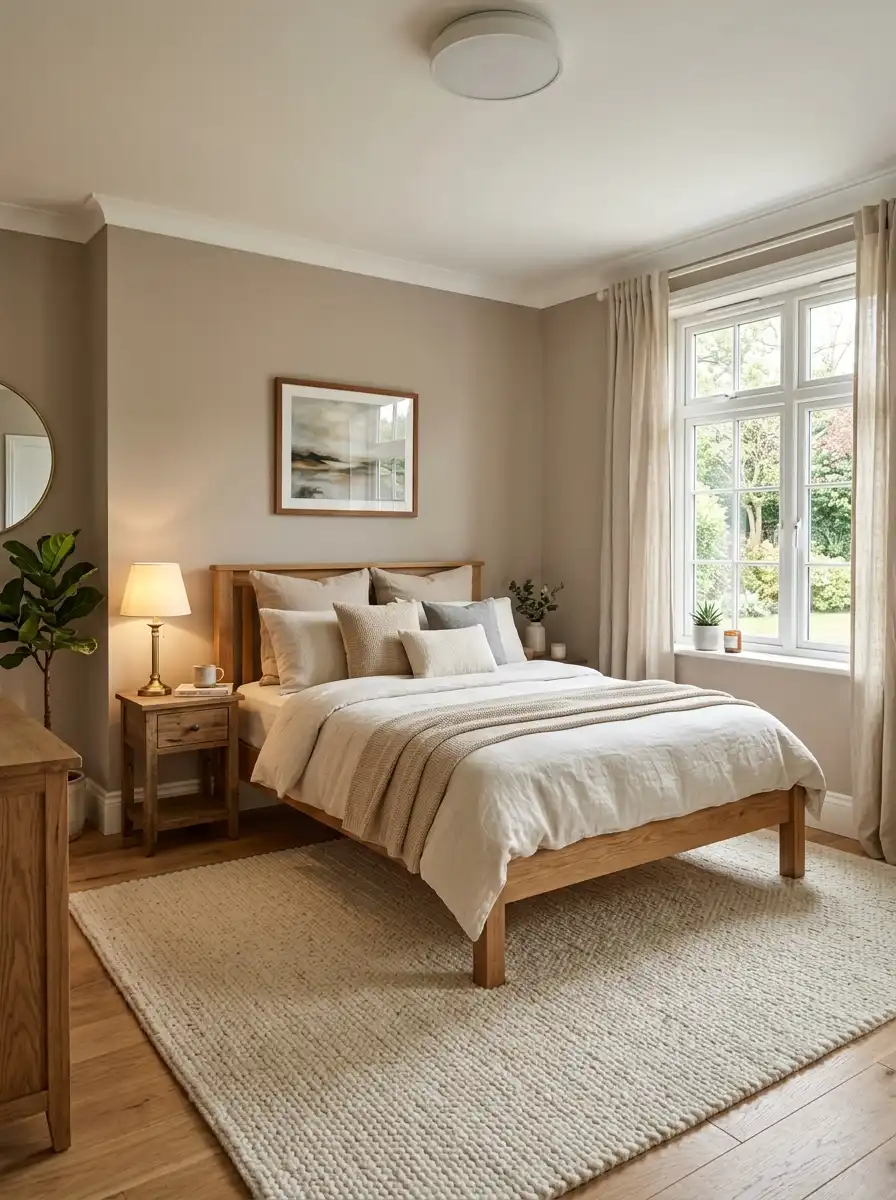
Soft taupe is a gray-brown neutral that feels warm, grounding, and sophisticated. It is darker than greige but lighter than brown. Soft taupe creates a cozy, intimate atmosphere without being too dark. Pair with cream bedding, natural wood furniture, and brass or gold accents.
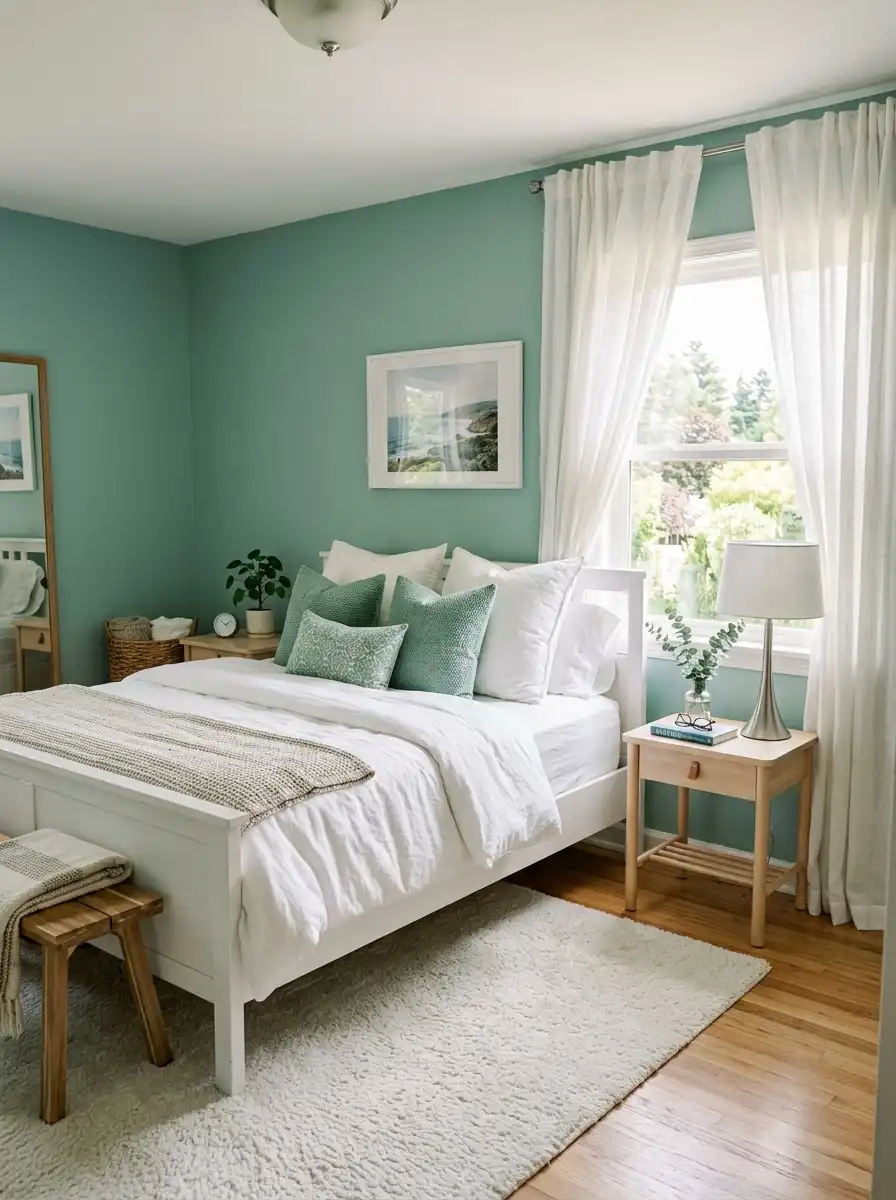
10. Seafoam Green
Seafoam green is a soft, pale green with blue undertones. It evokes the colors of the ocean and promotes a sense of calm and tranquility. Seafoam green works beautifully in coastal and Scandinavian bedrooms. Pair with white bedding, natural wood furniture, and silver or white accents.
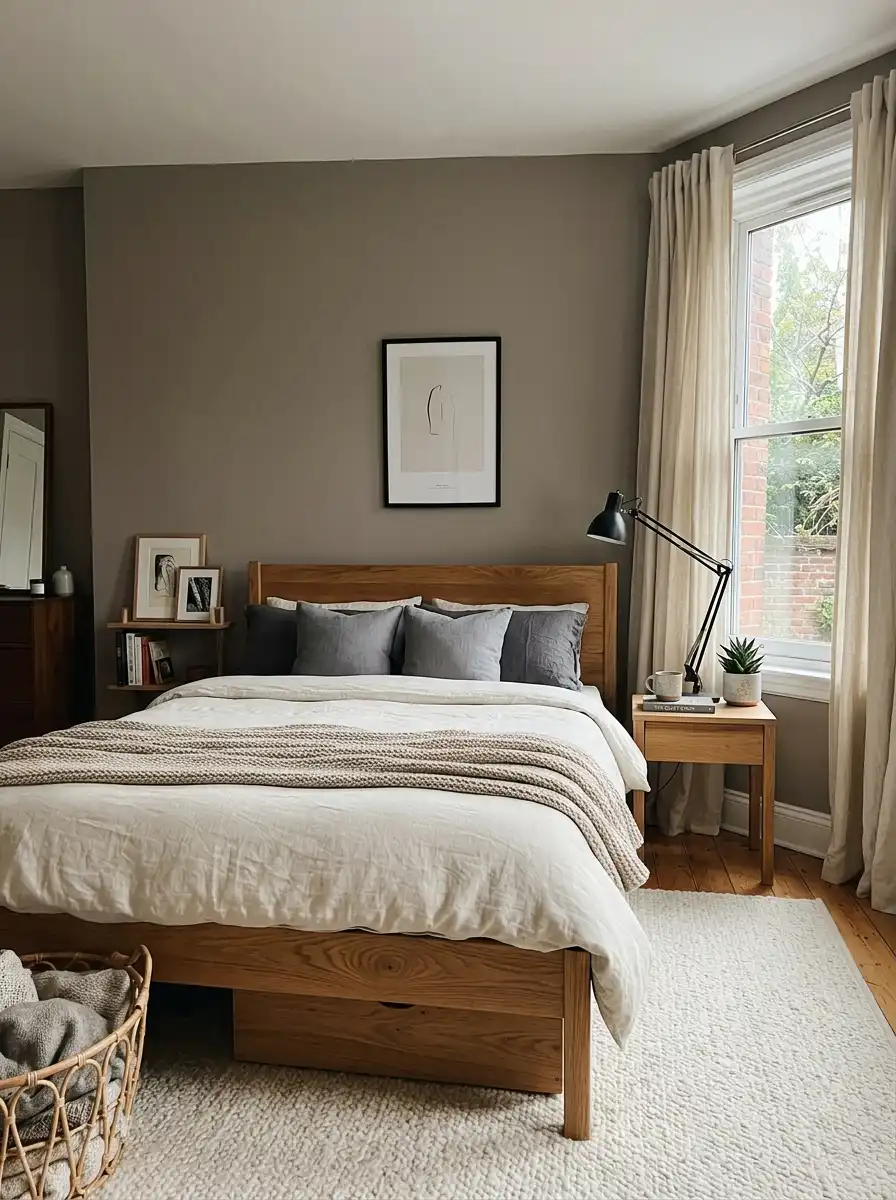
11. Mushroom Gray
Mushroom gray is a soft, warm gray with brown undertones. It feels organic, grounding, and deeply relaxing. Mushroom gray is an excellent choice for a bedroom that feels like a cozy retreat. Pair with cream bedding, natural wood furniture, and black or brass hardware.
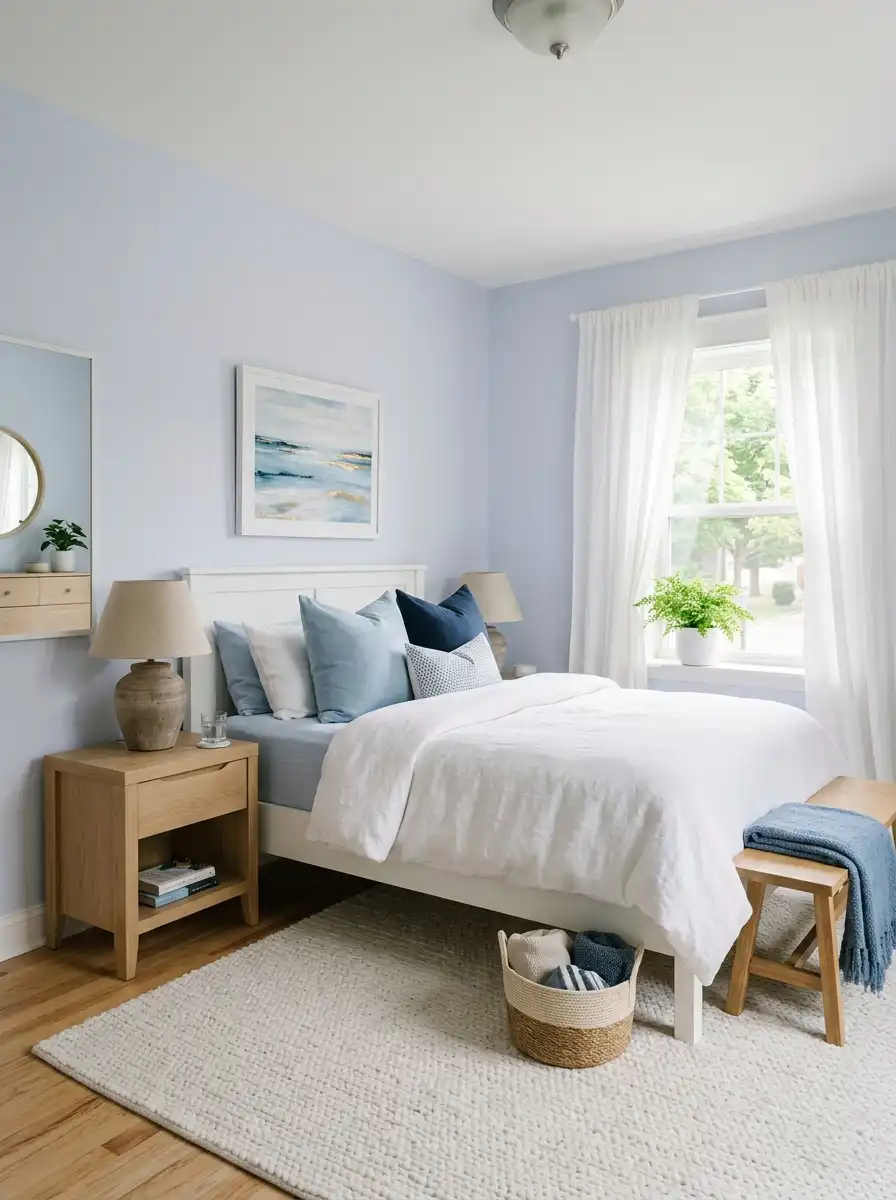
12. White with a Hint of Blue
White walls with a hint of blue create a serene, airy space without committing to a full blue room. The subtle blue undertone adds calmness while keeping the room bright and open. This is an excellent choice for small bedrooms or those with little natural light. Pair with white bedding, natural wood furniture, and blue accents in pillows or art.
Tips for Creating a Relaxing Bedroom
Choose Soft, Muted Colors: Bright, saturated colors can be stimulating. Soft, muted colors with gray undertones are the most calming. Consider the Light: North-facing rooms have cool light, so warm colors (cream, taupe) will feel more inviting. South-facing rooms have warm light, so cool colors (blue, green) work well. Use Matte Finishes: Glossy finishes reflect light and can feel harsh. Matte or eggshell finishes absorb light and create a softer, more relaxing atmosphere. Coordinate with Bedding: Your bedding is a large surface area. Choose bedding in calming colors that complement your walls. White, cream, and light gray are always safe choices. Add Texture: Soft textiles like wool rugs, linen curtains, and cotton blankets add warmth and comfort. Texture makes a room feel cozy and inviting. Limit Contrast: High contrast can be visually stimulating. Soft, low-contrast color schemes are more relaxing.
Conclusion
A relaxing bedroom begins with the right paint color. Soft blues, sage greens, warm greiges, lavenders, pale blue-grays, warm whites, dusty blues, pale pinks, soft taupes, seafoam greens, mushroom grays, and white with a hint of blue are all excellent choices for creating a calm, serene sanctuary. The key is to choose soft, muted colors with low saturation, pair them with natural materials and soft textiles, and limit high contrast. Whether you prefer cool blues, earthy greens, warm neutrals, or soft pinks, there is a relaxing paint color to suit your style. With these twelve relaxing bedroom paint colors designs, you can create a space that promotes restful sleep and peaceful moments.